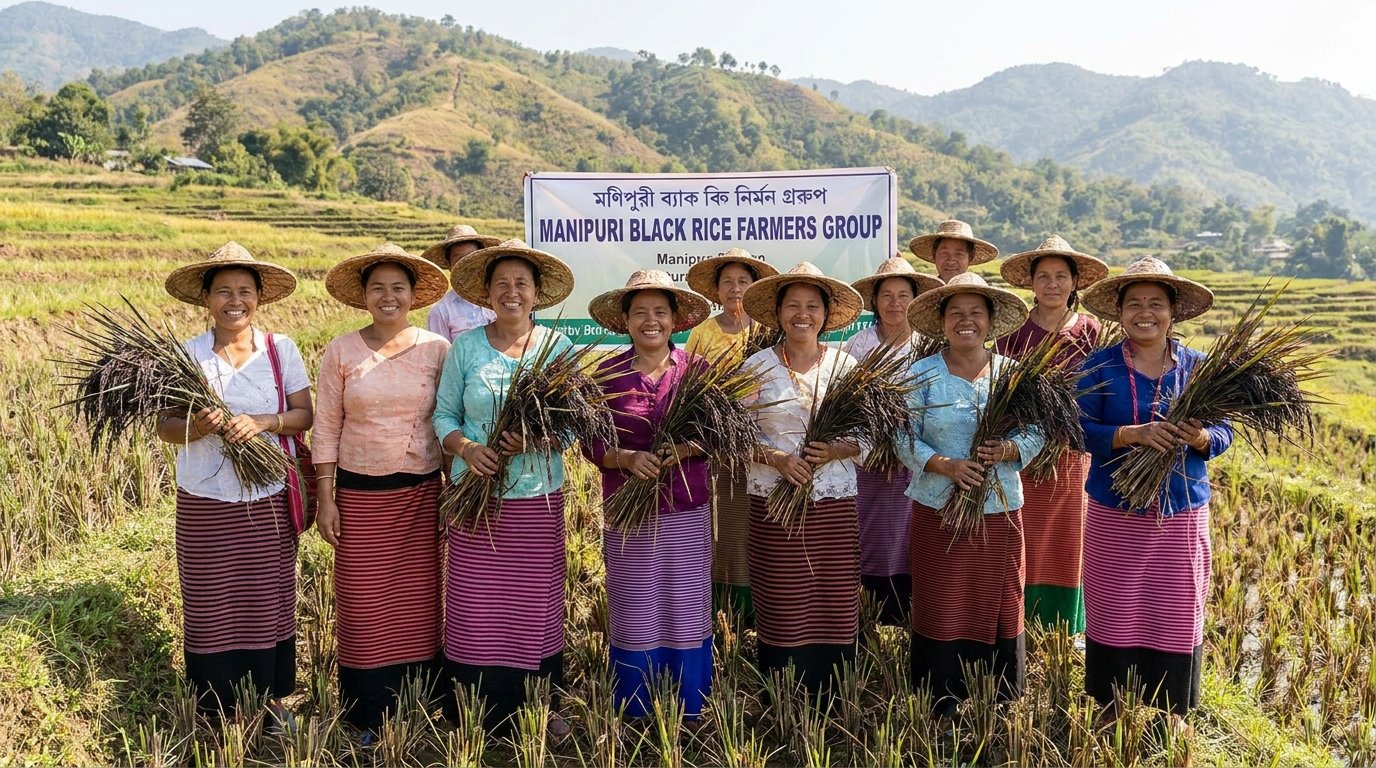
Ask for "black rice" almost anywhere in the world and you'll get a handful of different answers — Chinese forbidden rice, Thai riceberry, Indonesian ketan hitam. Ask in Manipur, and there's only one answer: Chak-Hao, the aromatic, glutinous black rice grown in the wetland paddies around Imphal, and the only black rice in India to hold a Geographical Indication tag. This guide is about that specific grain — what sets Manipur black rice apart, the history behind it, what the nutrition actually looks like, and how to cook and buy it well.
What Is Manipur Black Rice?
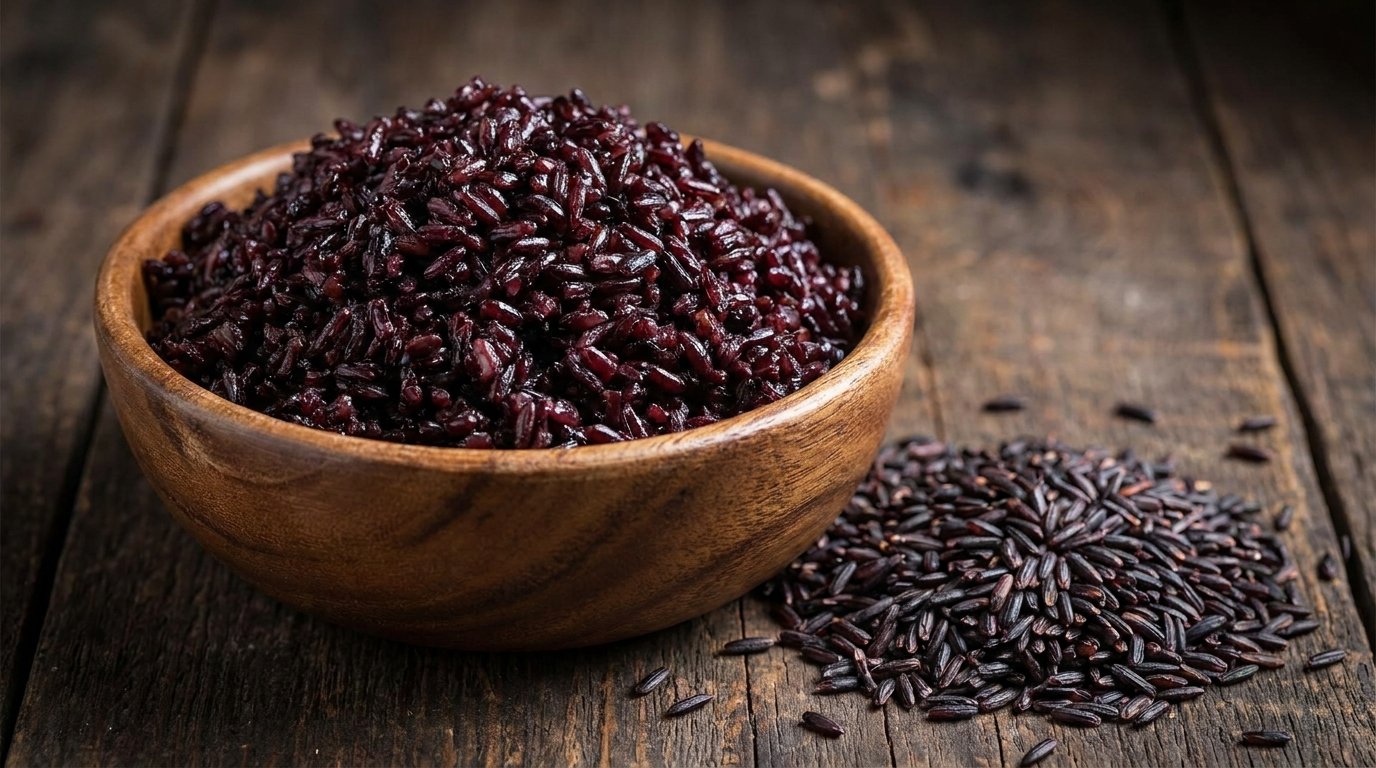
Manipur black rice is a scented, glutinous variety of Oryza sativa grown almost entirely within Manipur, a small state tucked into India's northeastern hills. Outside the state it's usually sold as "Manipur black rice" or "forbidden rice," but within Manipur it goes by its Meitei name, Chak-Hao, and more precisely by Chak-Hao Amubi — "amubi" meaning black, since black is just one of several colours the Chak-Hao family comes in.
What separates it from other black rice on the shelf is a combination of three things: a distinctive natural fragrance that develops as it cooks, a stickier, more glutinous texture than most black rice varieties grown elsewhere, and — since 2020 — legal protection of the name itself. A bag can only carry the Chak-Hao name if the rice inside it was actually grown in Manipur.
The Meaning Behind "Chak-Hao"
In Meitei, the language of Manipur's largest ethnic community, the name breaks down simply: "Chak" means rice, and the rest of the word is rooted in the local term for delicious. Put together, Chak-Hao translates roughly to "delicious rice" — a name that describes the eating experience rather than the colour, which is a useful reminder that aroma and texture matter just as much to Manipuris as the pigment does.
Farmers in Manipur actually group the wider Chak-Hao family into four colour types: Chak-Hao Amubi (black), Chak-Hao Poireiton (purple), Chakhao Angangba (red) and Chak-Hao Angouba, a fragrant white variety. All four share the same aromatic, glutinous character, but when people search for "Manipur black rice," they mean Chak-Hao Amubi specifically — the deep purple-black grain covered in the rest of this guide.
Black
The variety exported internationally as "Manipur black rice." Deep purple-black bran, the highest anthocyanin content of the four, and the one used in Chak-Hao Kheer.
Purple
Named after a figure from Meitei folklore, this variety has a lighter purple hue and a slightly softer grain than Chak-Hao Amubi.
Red
Less widely grown than the black or white types, with a reddish-brown husk and the same signature Chak-Hao aroma.
White
An aromatic white rice from the same family, often served on its own or used to lighten dishes made with the darker varieties.
A GI-Tagged Heritage Grain
Chak-Hao is India's only Geographical Indication–tagged black rice. The tag was granted in 2020, after the Consortium of Producers of Chak-Hao filed the application with backing from Manipur's Department of Agriculture and NERAMAC, the region's agricultural marketing body. The push came after black rice grown from Manipuri seed stock began appearing under the Chak-Hao name in markets far outside the state, diluting what had until then been a strictly local product.
A GI tag doesn't just add a badge to the packaging — it legally ties the name "Chak-Hao" to rice grown within a defined part of Manipur, in the same way "Darjeeling tea" is protected for tea grown in Darjeeling. For buyers, that matters more than it might seem: it's the clearest signal available that what's in the bag actually traces back to Manipur's paddies, rather than black rice grown elsewhere and relabelled.
Where Manipur Black Rice Is Grown
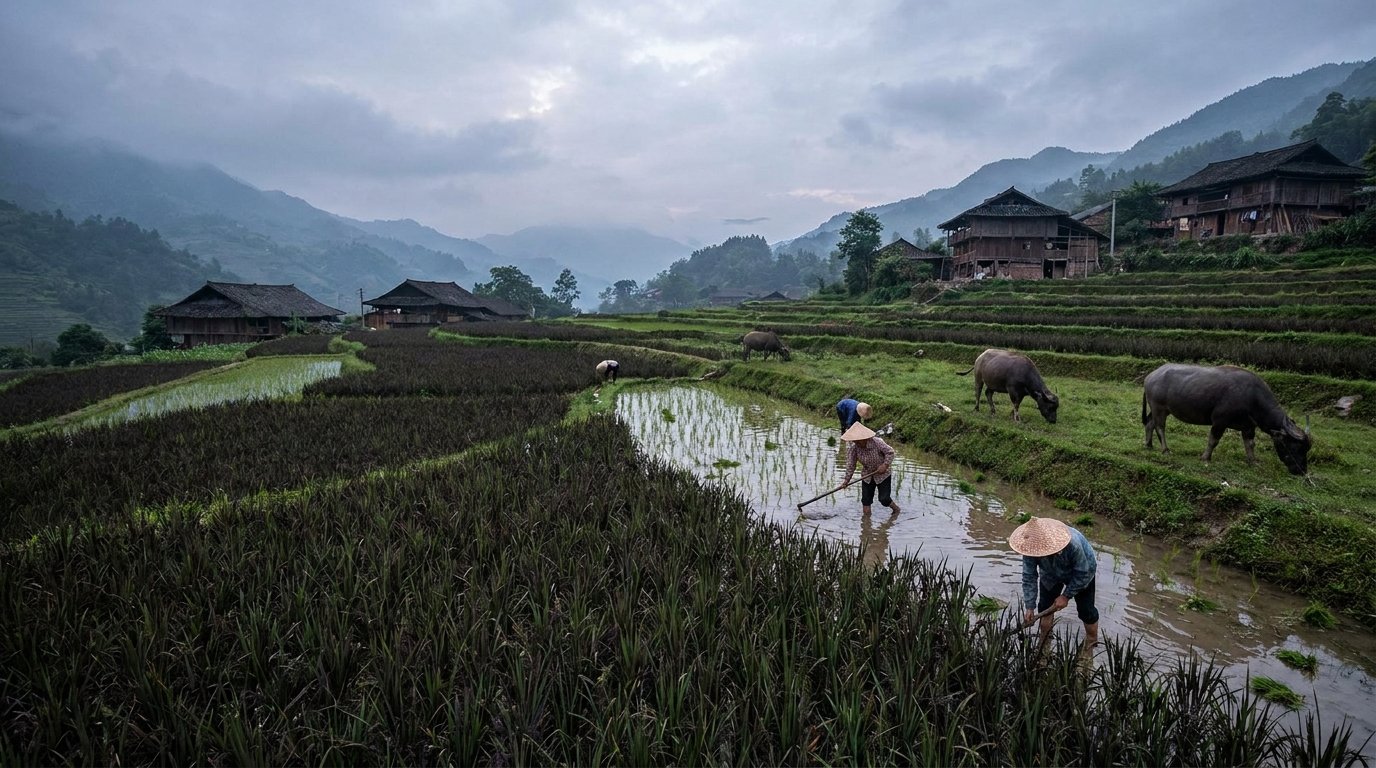
Chak-Hao is cultivated across the low-lying wetland valley that surrounds Imphal, Manipur's capital, particularly in the districts of Imphal East, Imphal West, Bishnupur and Thoubal. The valley sits ringed by hills, fed by monsoon rain and a network of rivers and lakes, and its alluvial soil has supported paddy farming here for generations. Like most Indian rice, it's grown as a monsoon-season crop, transplanted into flooded fields and harvested once the rains ease off later in the year.
Cultivation has stayed largely smallholder and traditional — small family-run paddies rather than large industrial farms — which is part of why Chak-Hao yields have historically been modest compared to commercial rice varieties. Because the crop hasn't been intensively bred for volume the way mainstream white rice has, older Chak-Hao landraces tend to grow tall and yield less per hectare, which is one reason authentic Manipur black rice has stayed a relatively limited, specialty crop rather than a mass commodity.
History & Cultural Significance
Long before Chak-Hao reached export markets, it held a specific place inside Manipur itself. Historical accounts describe it as a rice once associated with Manipur's royal court and religious life, served at community feasts and offered during Meitei festivals such as Lai Haraoba rather than eaten as a routine, everyday staple. That pattern — a black rice once reserved for the privileged few — echoes similar "forbidden rice" legends from imperial China, though Chak-Hao's story is rooted in its own distinct local history rather than borrowed from it.
That ceremonial thread hasn't disappeared. Chak-Hao is still closely tied to Manipuri hospitality: offering guests Chak-Hao Kheer, or serving Chak-Hao at a community feast, carries a weight that a bowl of ordinary rice simply doesn't. It's this cultural depth, as much as the nutrition or the colour, that the GI tag was ultimately designed to protect.
Manipur Black Rice Nutrition
Because Chak-Hao is milled lightly, keeping most of its bran and germ intact, it holds on to a nutrient profile that polished white rice simply doesn't have. A few things stand out:
- Anthocyanins. The deep purple-black bran of Chak-Hao is a concentrated natural source of anthocyanins, the same class of antioxidant pigment found in blueberries and purple cabbage. These are largely absent in white rice, since the pigmented bran layer is polished away.
- Fibre and protein. With the bran layer retained, Chak-Hao provides meaningfully more dietary fibre and protein per serving than white rice, and it's part of why the grain has a noticeably chewier, more substantial bite.
- Iron and trace minerals. Pigmented rice varieties like Chak-Hao tend to carry more iron than their polished counterparts, making it a useful plant-based addition for people watching their mineral intake.
- A gentler glycemic response. The fibre and starch structure in Chak-Hao means it digests more slowly than white rice, producing a steadier rise in blood sugar after a meal.
- Naturally gluten-free. Like every variety of rice, Chak-Hao contains no gluten, making it a safe whole-grain option for people avoiding it.
Health Benefits of Manipur Black Rice
None of this turns Chak-Hao into medicine, but a reasonable body of nutrition research points to genuine advantages over refined white rice:
- Antioxidant activity. The anthocyanins concentrated in Chak-Hao's bran show strong antioxidant behaviour in laboratory studies, helping counter the free radicals linked to cellular ageing.
- Heart health. Diets built around whole grains like Chak-Hao are generally associated with better cholesterol profiles and lower cardiovascular risk than diets heavy in refined grains.
- Blood sugar management. Its lower glycemic profile and higher fibre content mean Chak-Hao tends to produce a steadier post-meal blood sugar response than white rice, which is part of why it's often recommended to people watching their intake.
- Gut health. Early research suggests anthocyanins from black rice varieties like Chak-Hao may support a more diverse gut microbiome, though most of this evidence so far comes from animal rather than large-scale human studies.
- Satiety. The extra fibre and protein in Chak-Hao digest more slowly than in white rice, which can help meals feel more filling for longer.
Manipur Black Rice vs. Other Black Rice
All black rice shares the same anthocyanin-rich bran, but the eating experience differs a lot depending on where it's grown.
Chinese "Forbidden Rice"
Long-grained and aromatic, this is the variety most widely sold internationally under the "forbidden rice" name. It cooks up firmer and less sticky than Chak-Hao, with a milder aroma.
Thai & Indonesian Black Rice
Thailand's riceberry and black jasmine are often blended with white rice for a softer everyday bowl; Indonesia's ketan hitam is glutinous like Chak-Hao and mainly used in coconut-milk porridge.
Manipur Chak-Hao
Aromatic, large-grained and distinctly glutinous, grown only in Manipur's Imphal valley and legally protected by a GI tag — the only black rice in this comparison that can't be grown anywhere else and still carry the name.
How to Cook Manipur Black Rice
- 1Rinse thoroughly. Wash the rice in cold water two or three times until it runs mostly clear — Chak-Hao releases a fair amount of pigment, so don't worry if the water stays slightly cloudy.
- 2Soak if you have time. A soak of a few hours, or even overnight, softens Chak-Hao's thick bran layer and noticeably shortens the cooking time.
- 3Get the ratio right. Start with roughly 1 cup of Chak-Hao to 2–2¼ cups of water, adjusting slightly depending on whether you soaked it and how soft you prefer the finished grain.
- 4Simmer, covered, and be patient. Bring it to a boil, then reduce to a low simmer with the lid on. Chak-Hao's fibrous bran means it typically needs 40–45 minutes to fully soften — longer than most other rice, black or otherwise.
- 5Rest before serving. Let the pot sit off the heat, still covered, for about 10 minutes, then fluff gently with a fork so the last of the moisture settles evenly.
Chak-Hao Kheer & Other Traditional Dishes
Chak-Hao's natural stickiness and sweetness make it especially suited to slow-cooked, milk-based dishes, which is exactly how Manipuris have traditionally used it.
- Chak-Hao Kheer. Manipur's best-known dish built around this rice — Chak-Hao simmered slowly in milk with sugar and cardamom until it turns a deep violet and takes on a rich, pudding-like consistency. It's the dish most people outside Manipur first associate with the grain.
- Community feast rice. Served plain or lightly seasoned at Meitei festivals and gatherings, where its aroma and texture are the point rather than any accompaniment.
- Grain bowls and salads. Its firm, chewy bite holds up well once cooled, making it a striking base for a cold grain salad with herbs and citrus.
- Breakfast porridge. Cooked Chak-Hao with warm milk and a little honey makes a naturally purple, antioxidant-rich take on morning porridge.
If you'd like the full recipe for our own Chak-Hao Kheer, you'll find it here.
How to Store & Buy Authentic Chak-Hao
Raw Chak-Hao keeps well when it's protected from light, heat and moisture. Store it in an airtight, opaque container in a cool, dark pantry, where it typically stays fresh for 8–12 months — light gradually fades the anthocyanin pigment over time, so a clear glass jar on an open shelf isn't the best choice. Cooked Chak-Hao keeps for about 4–5 days refrigerated, and freezes well for up to three months.
Because the name "Chak-Hao" is now GI-protected, buying it well mostly comes down to verifying origin rather than guessing at quality:
- Look for the GI reference or clear Manipur origin labelling. This is the single strongest signal that the rice was actually grown in the Imphal valley rather than elsewhere and sold under the same name.
- Check the colour and finish. Genuine Chak-Hao looks deep, even purple-black rather than patchy brown-black, with a matte rather than glossy bran layer — over-polishing strips away the nutrients that make it worth choosing in the first place.
- Trust your nose. Authentic Chak-Hao carries a distinct natural aroma even before cooking; a complete lack of scent is often a sign of a blended or non-Manipuri black rice.
- Ask about traceability. A reputable supplier should be able to share harvest details and sourcing information on request, not just a bag with a label on it.
Buying authentic Manipur black rice in bulk? Get packaging options and documentation from our trade desk in minutes.
Frequently Asked Questions
The Bottom Line
Manipur black rice isn't just "a" black rice — it's a specific, place-bound grain with its own name, its own legal protection, and centuries of Meitei history behind it. Its aroma, stickiness and deep purple colour aren't accidents of processing; they're the product of a particular valley, a particular growing tradition, and rice families that have been kept largely intact for generations. Whether you come to it for the antioxidants, the texture, or a bowl of Chak-Hao Kheer, it's worth knowing that what you're eating genuinely couldn't have come from anywhere else. To go deeper on the grain itself, explore the nutrition, heritage and cultivation of our own Chak Hao.