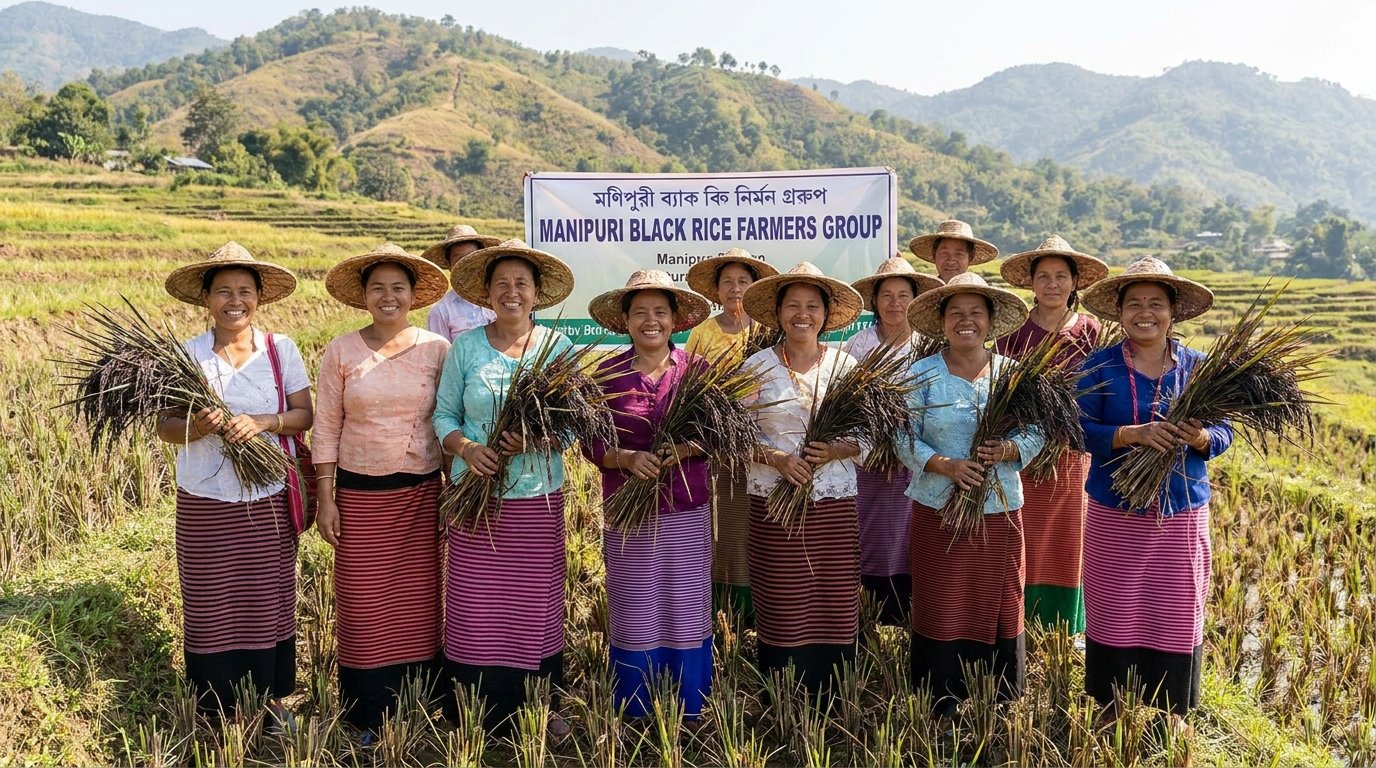
Type "Manipur Black Rice Supplier" into a search engine and you'll find plenty of listings, but very few suppliers who can actually show where the rice in the bag came from. We are a direct exporter of Chak-Hao, sourcing from registered growers in Manipur's Imphal Valley and shipping into Singapore for wholesale, retail and private-label buyers. This guide walks through what the grain actually is, why its Geographical Indication (GI) tag matters when you're choosing a supplier, what the nutrition behind the marketing claims looks like, and exactly how sourcing, compliance and delivery work when you order from us.
What Is Manipur Black Rice (Chak-Hao)?
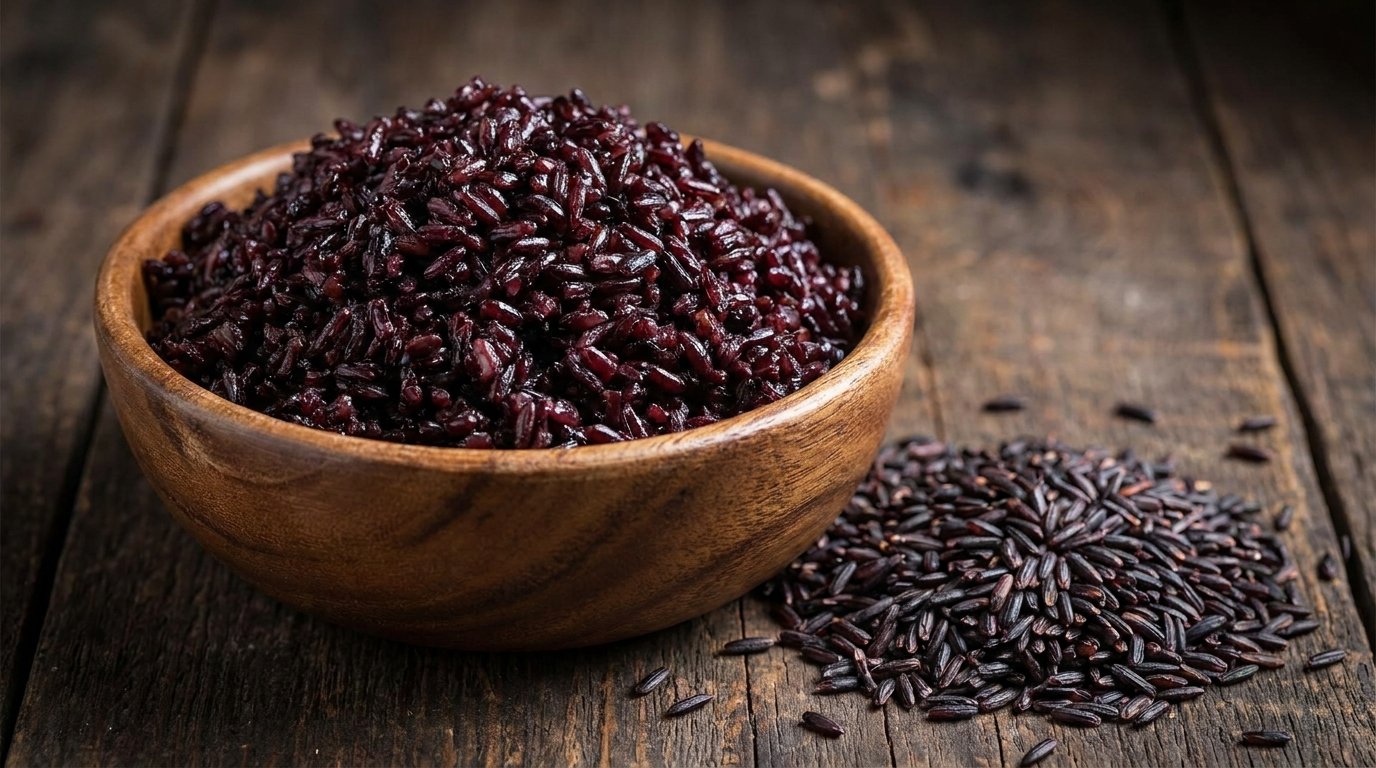
Manipur Black Rice is the export name commonly used for Chak-Hao, a scented, glutinous rice grown almost exclusively in Manipur, a state in India's far northeast. Within Manipur itself, growers and traders refer to it as Chak-Hao Amubi — "amubi" meaning black — to distinguish it from the purple, red and white members of the same aromatic rice family that are also grown there.
It isn't a commodity that can be reproduced to the same specification elsewhere. Its aroma, its glutinous stickiness once cooked, and the depth of its purple-black colour are all tied to the specific paddy conditions of the Imphal Valley. That's the starting point for everything else in this guide: whatever claims get made about nutrition, certification or origin only hold up if the rice can genuinely be traced back to Manipur, which is exactly what a proper supplier relationship, and the GI tag covered further down, are meant to guarantee.
Why Buyers Choose Us as Their Manipur Black Rice Supplier
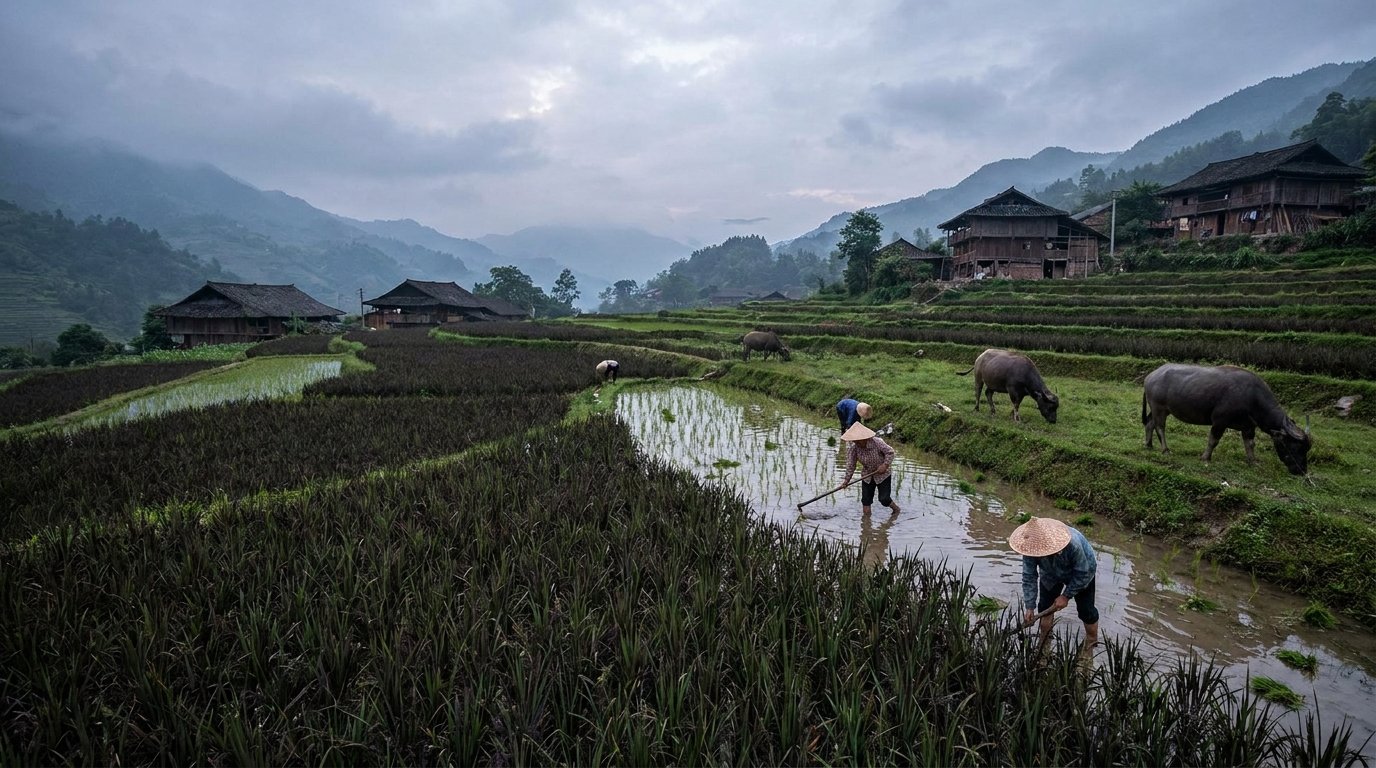
Singapore importers who come to us have usually already run into the same problem elsewhere: black rice marketed as "Manipur" that turns out, on closer questioning, to be blended, relabelled, or simply untraceable past a middleman. As a direct supplier working with growers inside the GI-registered growing area, our position in the chain is short and verifiable — paddy sourced from Imphal Valley districts, consolidated, tested and shipped, rather than passing through several unrelated traders on the way to you.
- Direct grower relationships across Imphal East, Imphal West, Bishnupur and Thoubal, the core districts of Chak-Hao cultivation.
- Batch-level lab testing before every export shipment leaves India.
- A documentation package built specifically around what Singapore import clearance requires.
- Bulk, plain-label and private-label packaging options depending on how you plan to sell it on.
- A trade desk that can walk a first-time buyer through sampling, documentation and freight, start to finish.
The GI Tag — What It Means When You're Buying From a Supplier
Chak-Hao has held Geographical Indication status since 2020, granted after the Consortium of Producers of Chak-Hao applied with backing from Manipur's Department of Agriculture and NERAMAC, the region's agricultural marketing body. In practical terms, this means the name Chak-Hao can only legally be used for rice grown within the defined GI area of Manipur, not black rice grown elsewhere and repackaged under the name.
For a buyer, the GI tag matters less as a badge on a bag and more as a question you can put to a supplier directly: can you show me this traces back to the registered growing area? A genuine Manipur Black Rice supplier should be able to answer that without hesitation. If a supplier can't, that's usually the clearest signal that what's being offered isn't what the label says.
Chak-Hao vs White Rice — The Nutrient Difference
Chak-Hao is milled lightly, so it keeps most of its bran and germ intact — the part of the grain where the majority of a rice's fibre, protein, minerals and antioxidant pigment actually sit. Polished white rice has that layer removed almost entirely during processing. The chart below sets out the general direction of that difference; treat it as an illustrative comparison rather than a certified lab analysis of any single batch, since exact values shift with variety, harvest and testing method.
Relative Nutrient Profile: Chak-Hao vs Polished White Rice
Directional comparison based on general rice-nutrition literature
Illustrative comparison only — not a substitute for a certified lab report. Actual values vary by variety, harvest and milling.
Why the Bran Layer Makes the Difference
Rice milling sits on a spectrum rather than a simple on/off switch. Brown rice keeps its full bran and germ layer; standard white rice has that layer polished away almost completely; Chak-Hao is deliberately milled to sit closer to the brown-rice end of that spectrum. That's why it holds on to noticeably more of its natural nutrient content, along with the deep purple-black colour that fully polished rice loses entirely.
Bran & Germ Retained After Milling
Approximate share of the grain kept by milling method
Chak-Hao (lightly milled)
Bran & germ largely retained
Standard white rice
Bran & germ polished away
General rice-milling reference figures, not a certified compositional analysis of a specific batch.
From Imphal Valley to Your Singapore Warehouse
Every shipment we send to Singapore follows the same sequence, so that whatever quantity you order, the quality checks and paperwork behind it don't change.
Our Supply Chain, Step by Step
From the paddy field to your delivery point
Harvest & Procurement
Paddy sourced from registered growers across the Imphal Valley.
Cleaning & Grading
Dehusked, cleaned and graded to remove broken grain and impurities.
Batch Lab Testing
Each export batch is tested and given a traceable batch code.
Export Documentation
Certificate of origin, phytosanitary certificate and invoicing prepared.
Freight to Singapore
Shipped by sea or air freight, depending on order size and timeline.
Cleared & Delivered
Customs cleared and delivered to your Singapore address or warehouse.
Certification, Traceability & Singapore Import Compliance
Rice is a controlled item in Singapore. A licence issued by the Singapore Food Agency (SFA) is required to import, re-export or carry out wholesale dealings in rice of any kind, and every consignment needs its own import permit. Under the Rice Stockpile Scheme, administered by Enterprise Singapore, stockpile-grade rice covers white rice, basmati, ponni and parboiled rice, while husked and glutinous rice — the category Chak-Hao falls into — generally sits outside that stockpile obligation. Licensing rules are reviewed periodically, so we'd always recommend confirming your own current requirements directly with SFA and Enterprise Singapore, and checking the correct classification through Singapore Customs' HS/CA product code checker, before placing a first order.
On our side, we support that process with documentation attached to every shipment:
GI-Tagged Origin
Traceable to registered Imphal Valley growers
Batch Lab-Tested
Every export batch tested before shipping
Full Traceability
Batch codes carried through to delivery
Export Documentation
Certificate of origin & phytosanitary certificate
Chak-Hao vs Other Black Rice Suppliers
Black rice sold internationally comes from a handful of very different origins, and once you look past the colour, they are not interchangeable.
| Origin | Texture | GI Protected | Best suited for |
|---|---|---|---|
| Chak-Hao (Manipur) | Aromatic, glutinous, sticky | Yes — since 2020 | Kheer, festive dishes, premium retail |
| Chinese "Forbidden" Rice | Firmer, less sticky, mild aroma | No | Everyday cooking, rice blends |
| Thai Riceberry / Black Jasmine | Softer, often blended with white rice | No | Everyday bowls, blended products |
| Indonesian Ketan Hitam | Glutinous, similar stickiness to Chak-Hao | No | Coconut-milk porridge (bubur) |
Want a side-by-side sample of Chak-Hao against another black rice you're currently sourcing? Ask our trade desk for a comparison sample.
Supply Formats We Offer
We supply Chak-Hao in a few different formats, depending on whether you're a distributor, retailer or F&B brand:
- Bulk export bags in plain packaging, for distributors and repackers.
- Private-label retail pouches for brands that want Chak-Hao sold under their own name.
- Sample packs for quality evaluation before committing to a full order.
- Custom bag sizes and carton configurations on request.
Minimum order is 100 kg, with export loads scaling up to full container volumes for larger distributors. Our trade desk can talk you through what makes sense for a first order into Singapore.
Who Buys Manipur Black Rice From Us in Singapore
Most of our Singapore enquiries come from a fairly consistent set of buyers:
- Specialty and health food retailers looking for a genuinely traceable whole-grain rice to stock.
- Restaurants and hotels adding Northeast Indian or fusion dishes, such as Chak-Hao Kheer, to their menu.
- F&B distributors supplying grocers and food service businesses across Singapore.
- Private-label and direct-to-consumer brands wanting Chak-Hao under their own packaging.
How to Start Sourcing From Us
Send an enquiry
Tell us your product, quantity and Singapore delivery point.
Review sample & lab report
We send a physical sample along with the relevant batch documentation.
Confirm packaging & logistics
Bulk, private-label or custom packaging, shipped by sea or air freight.
Export documentation prepared
Certificate of origin, phytosanitary certificate and commercial invoice.
Shipment & delivery
Tracked through to your Singapore address or warehouse.
Frequently Asked Questions
The Bottom Line
A genuine Manipur Black Rice supplier should be able to answer two questions without hesitation: where exactly does this rice come from, and can you prove it? For Chak-Hao, the GI tag, batch traceability and export documentation exist precisely so a Singapore buyer doesn't have to take that on faith. Whether you're sourcing for wholesale, retail or private label, our trade desk can walk you through sampling, documentation and logistics for your first order.