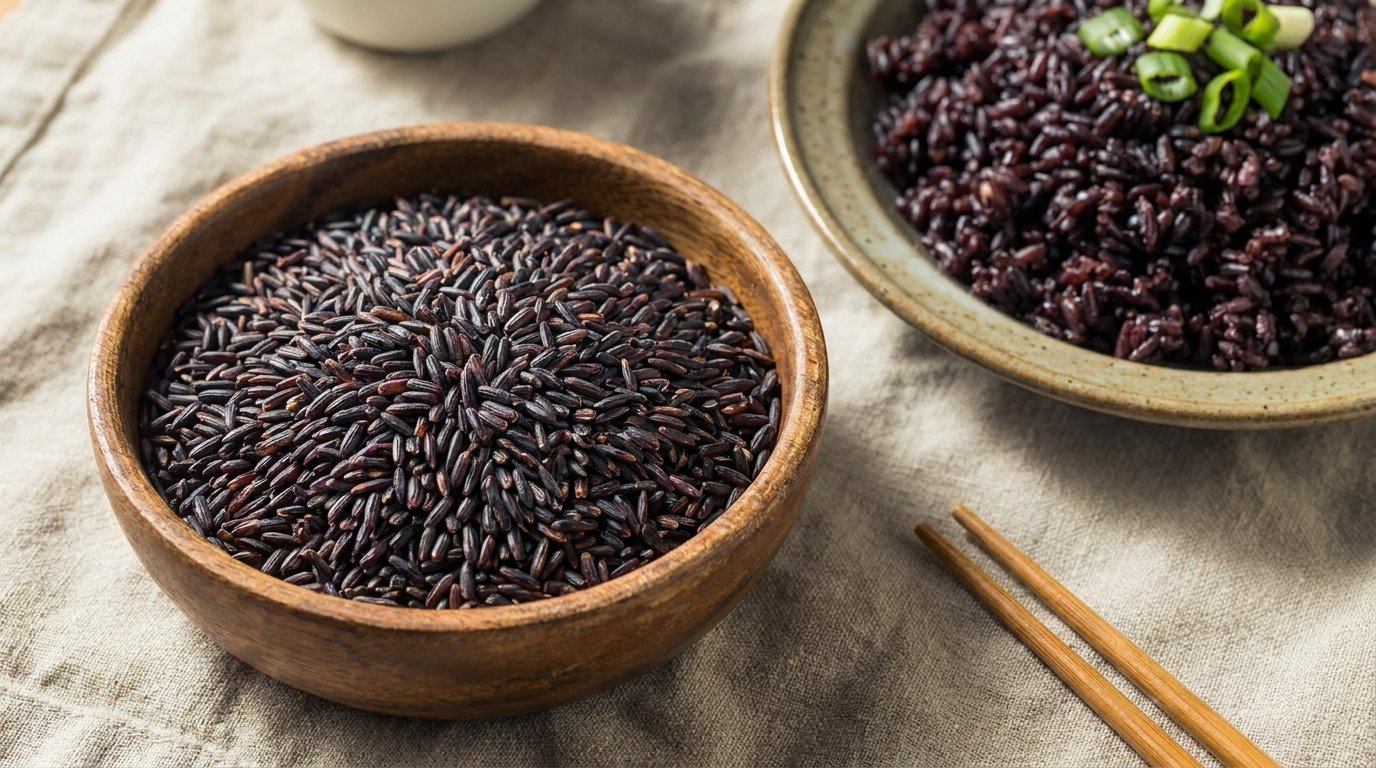
Type "aromatic black rice supplier" into a search bar and you'll get page after page of listings that all sound interchangeable — bold claims about purity and premium quality, with very little to actually tell one supplier from another. In practice, the things that matter most rarely show up in the marketing copy at all. This guide walks through the sourcing questions, quality checks and paperwork that separate a genuine supplier of Manipur's aromatic Chak-Hao black rice from someone simply repackaging stock of uncertain origin.
What "Aromatic Black Rice" Really Means
Aromatic rice is a small category within a vast global rice supply, and it's defined by chemistry more than colour. The fragrance associated with varieties like basmati, jasmine and Manipur's Chak-Hao largely traces back to a single naturally occurring compound, 2-acetyl-1-pyrroline, which produces the toasted, faintly nutty scent these grains are known for. Not every black rice carries this trait. A good share of the black rice sold internationally has been bred mainly for its dark pigment and cooks up with almost no scent at all.
When a buyer specifically looks for an aromatic black rice supplier, what they usually want is a variety like Chak-Hao Amubi from Manipur's Imphal valley: naturally scented, noticeably glutinous once cooked, and dark enough to retain the anthocyanin pigment that gives black rice its reputation as a health-forward grain. Understanding this distinction upfront saves a lot of wasted time later, since it immediately rules out suppliers who can't say which variety they actually stock.
Why It Matters Where Your Supplier Sources From
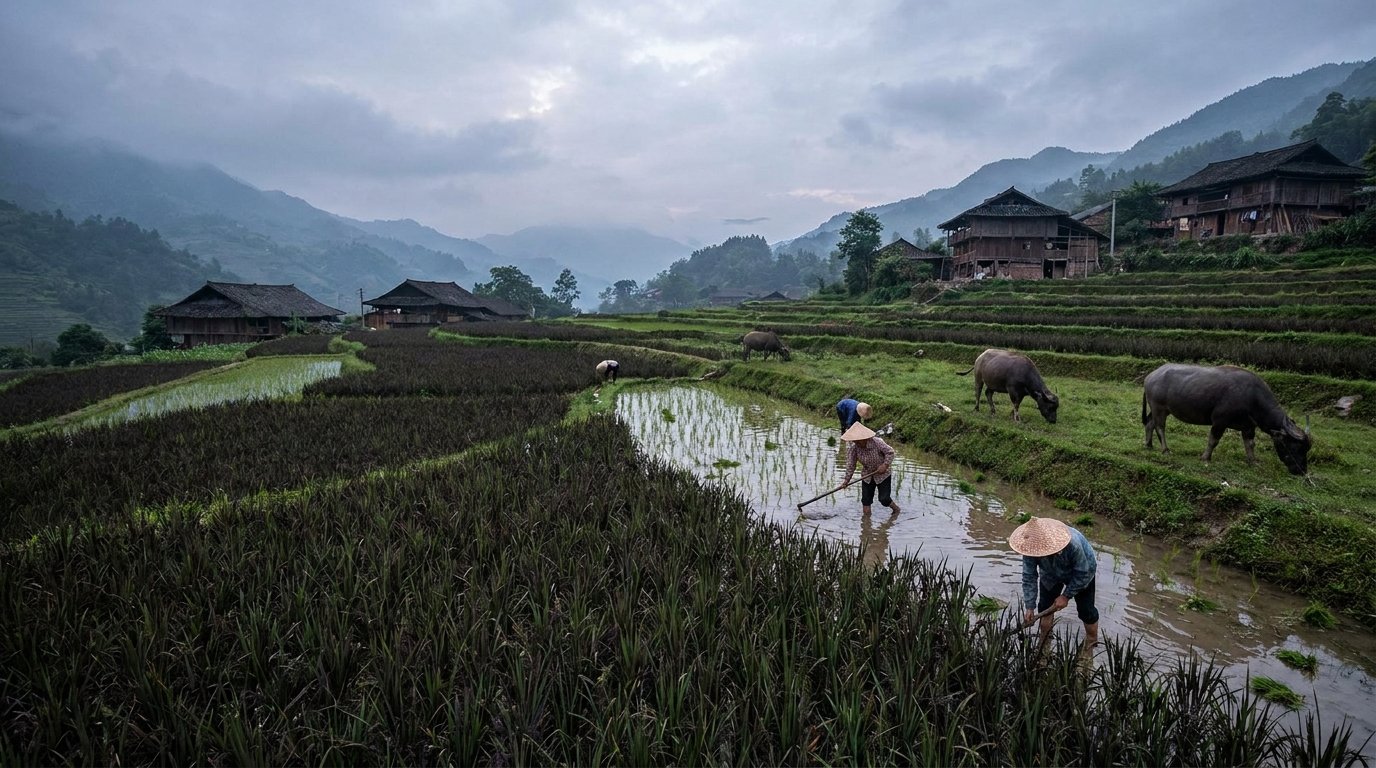
Aroma in rice isn't purely genetic — it's also shaped by soil, water and microclimate, which is why the same seed grown in two different regions can taste and smell noticeably different once cooked. Chak-Hao is grown almost exclusively in the wetland paddies surrounding Imphal, spread across districts including Imphal East, Imphal West, Bishnupur and Thoubal, where alluvial soil and a defined monsoon cycle have shaped the crop for generations.
That specificity is also why Chak-Hao became India's only Geographical Indication–tagged black rice in 2020. The name is now legally reserved for rice actually grown in that valley, not black rice grown elsewhere and sold under a Manipuri name. For a buyer, this is the easiest first filter to apply: an aromatic black rice supplier who can't point to Manipur, and specifically the Imphal valley, as their sourcing region is selling something else, whatever the label says. For more background on the grain itself, our guide to Manipur black rice covers its history and nutrition profile in more depth.
What a Reliable Aromatic Black Rice Supplier Should Offer
Beyond a claim of Manipur origin, a handful of concrete practices separate a genuine supplier from a reseller:
- Farm or cooperative-level traceability. Not just "grown in India," but a specific district or growers' cooperative the batch can be traced back to.
- Batch-specific documentation. A certificate of analysis covering moisture, broken grain percentage and purity for the exact lot you're buying, not a generic template.
- GI usage evidence. A copy of the paperwork linking their stock to registered Manipur growers whenever the rice is marketed under the Chak-Hao name.
- Willingness to send a sample. A supplier confident in their grain rarely hesitates to send a small quantity before you commit to a full order.
- Straightforward communication about harvest timing. Aromatic rice quality can shift between crop cycles, and a good supplier will tell you which harvest your order is coming from.
How to Judge Grain Quality Before You Order
Documentation tells you what a supplier claims. The grain itself tells you whether the claim holds up. A handful of simple checks go a long way:
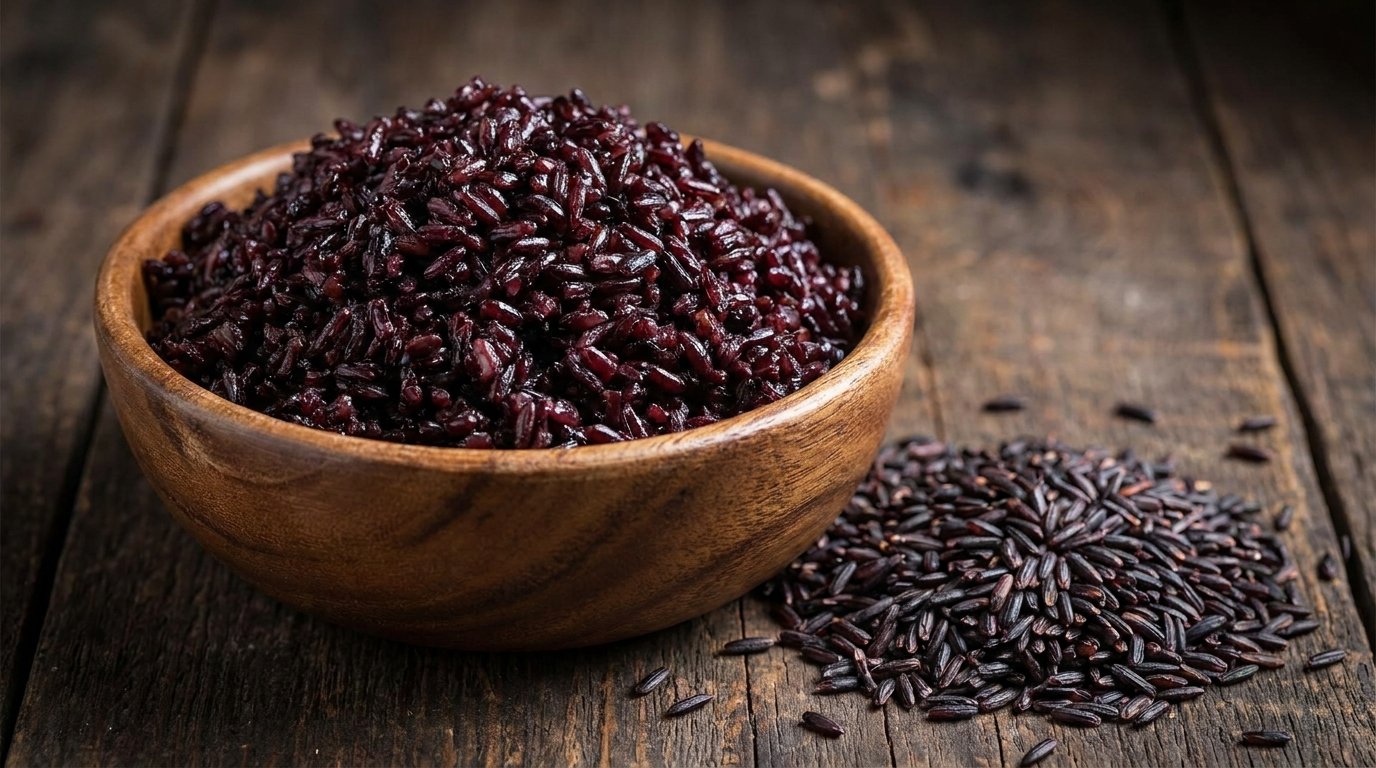
- Raw grain aroma. Authentic Chak-Hao carries a noticeable natural scent before it's even rinsed, let alone cooked.
- Colour uniformity. Look for a deep, even purple-black rather than a patchy mix of brown and black grains within the same batch.
- Broken grain percentage. A small amount is normal in any batch of rice, but a high proportion usually signals rough milling or poor storage conditions.
- Foreign matter. Husks, stones or a mix of different rice varieties shouldn't turn up in a properly cleaned, export-ready batch.
- Moisture feel. Grains should feel dry and separate rather than damp or clumped together, which affects both shelf life and how evenly the rice cooks.
Certifications & Paperwork Worth Requesting
None of these documents guarantee quality on their own, but together they show whether a supplier is set up to operate at scale rather than selling out of a single warehouse with no oversight:
- GI usage certificate. A letter or certificate linking the batch to a registered grower or cooperative in Manipur.
- Certificate of analysis. A lab report specific to the batch you're buying, not a generic specification sheet reused across every order.
- Organic certification. Worth requesting if organic status matters to your buyers — don't assume it purely from the name or the colour of the grain.
- Food safety license. A license appropriate to the supplier's home market, such as an FSSAI license in India.
- Phytosanitary certificate. Required for most international shipments of raw rice and typically issued shortly before export.
Comparing the Three Common Supplier Types
Most buyers end up dealing with one of three kinds of supplier, and each comes with a different trade-off between traceability, consistency and how easily they can scale with an order.
Origin Exporter
Regional Trader
Local Repacker
These ratings are editorial, not a scientific measurement — they're meant as a starting framework for comparing suppliers, not a guarantee about any specific business. A trader or repacker isn't automatically a poor choice, but the further a supplier sits from the paddy, the more paperwork you should expect to ask for.
The Four Pillars of a Quality Check
When our own trade desk walks a buyer through a new supplier relationship, the verification process tends to fall into four roughly equal categories.
- Aroma & freshness — does the raw grain smell the way authentic Chak-Hao should, before it's cooked?
- Grain appearance — is the colour deep and even, with a matte rather than glossy bran layer?
- Moisture & purity — is the batch dry, clean and low in broken or foreign grain?
- Documentation — does the paperwork actually match the batch in front of you?
Packaging, Private Label & Export Readiness
Once a supplier clears the quality and documentation checks, the next question is whether they can actually deliver in the format your business needs. That usually comes down to a few practical points:
- Bulk export packaging. Jute or PP woven sacks suited to container loading and long transit times.
- Retail-ready packaging. Smaller pouches or cartons for suppliers who also serve direct-to-shelf customers.
- Private label capability. Custom branding and labeling, with reasonable turnaround for approving new artwork.
- Destination-market awareness. Familiarity with labeling requirements like nutrition panels, language and allergen statements in your target market.
- Logistics experience. Comfort handling full or partial container loads, not just small parcel shipments.
Red Flags to Watch For When Vetting a Supplier
- No willingness to name a district or cooperative the rice is sourced from, even when directly asked.
- A "GI tag" claim with no supporting documentation to back it up on request.
- Grain colour or aroma that shifts noticeably between the sample and the bulk shipment that eventually arrives.
- Reluctance to share a lab report or a basic quality specification sheet for the batch.
- Vague or shifting answers about lead times once you press for firm, written dates.
Vetting an aromatic black rice supplier for a bulk or export order? Our trade desk can walk you through documentation and packaging in minutes.
A Practical Checklist Before You Place an Order
- 1Request a sample. Cook it yourself before agreeing to anything larger, and judge it against the quality checks above.
- 2Ask for GI documentation. Request the paperwork linking the batch to a registered Manipur grower or cooperative.
- 3Request a lab report. Ask for a certificate of analysis covering moisture, broken grain percentage and purity for that specific lot.
- 4Confirm relevant certifications. Check which organic, food-safety and phytosanitary certifications your market actually requires.
- 5Clarify packaging options. Confirm whether bulk export packaging and private label retail packaging are both available.
- 6Agree on lead times. Set clear expectations on communication and turnaround before your first full order goes out.
Frequently Asked Questions
The Bottom Line
Finding a good aromatic black rice supplier isn't about finding the best-written product page — it's about finding someone who can back up every claim with a district, a certificate, or a sample you can cook yourself. Origin, documentation and how the grain actually performs in a pot will always tell you more than a label ever can. If you're evaluating options, ask for the paperwork before you ask for a quote, and treat any hesitation as your answer. To understand more about the grain behind the sourcing decision, our guide to Manipur black rice covers its nutrition, history and cooking profile in full.