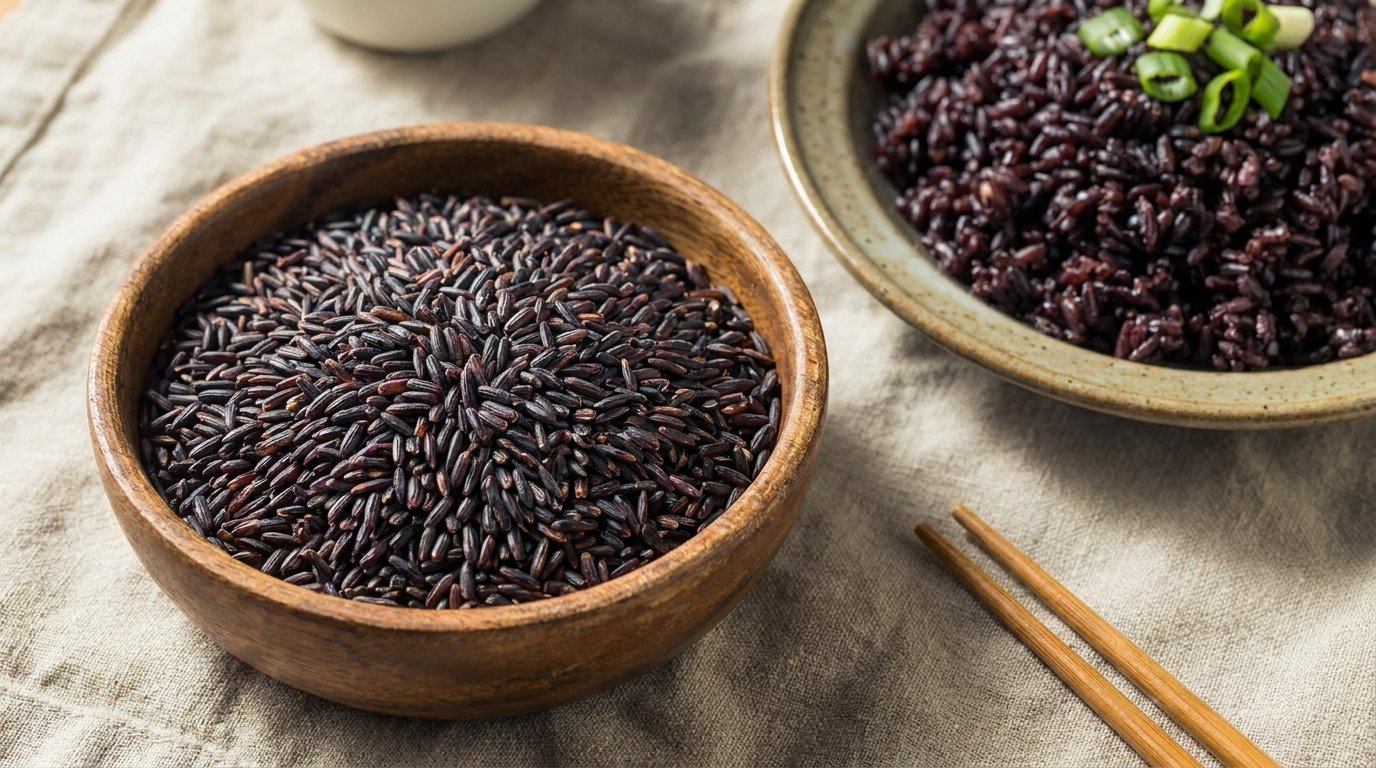
Type "best black rice in India" into a search bar and you'll get dozens of pages that all sell the same one variety and call it a day. That's not really a comparison — it's a product listing. We wanted to actually answer the question, so this guide lines up every black rice genuinely grown in India, explains what separates a good one from a great one, and shows exactly where Manipur's Chak-Hao sits relative to the rest — and why.
What Makes One Black Rice "Best"?
Colour alone doesn't tell you much — almost every black rice gets its shade from the same antioxidant pigment, anthocyanin, sitting in the bran layer. What actually separates the best black rice in India from an average one comes down to five things:
- Aroma & flavour. The best varieties develop a distinct natural fragrance as they cook, not just a neutral "brown rice with dye" taste.
- Texture & stickiness. Some black rice cooks up firm and separate, some turns soft and glutinous — the "right" answer depends on what you're cooking, but consistency matters either way.
- Nutrient retention. Lightly milled rice that keeps its bran and germ intact holds on to far more fibre, protein and anthocyanin than heavily polished grain.
- Authenticity & traceability. Whether the name on the bag is legally tied to where the rice was actually grown — a Geographical Indication (GI) tag is the clearest signal here.
- Versatility. How well the rice performs across savoury bowls, desserts like kheer, and everyday cooking, rather than being suited to just one dish.
We weighed each variety below against these five criteria. The scores are our own editorial assessment, not an official government ranking — treat them as a starting point for your own comparison, not the final word.
The Best Black Rice in India, Ranked
Chak-Hao AmubiManipur · Imphal Valley
9.6/10The benchmark for Indian black rice: aromatic, glutinous, and the only variety in this list with Geographical Indication protection. Grown across Manipur's wetland paddies and now exported well beyond the state.
Karuppu KavuniTamil Nadu · Thanjavur & Madurai
8.4/10A genuine heritage grain with its own royal legend from the Chola era. Firmer and less sticky than Chak-Hao, with a slightly nuttier bite — a strong second, though it doesn't currently carry its own GI tag.
KalabatiOdisha · Bargarh & nearby districts
7.8/10A native black-rice landrace kept alive mostly through heirloom seed-sharing networks. Tall-growing and low-yielding by nature, which keeps it a specialty crop rather than a widely available one.
Bilaspur Black RiceChhattisgarh
7.5/10Recognised under India's One District One Product programme for Bilaspur, this black rice is well regarded locally but has a far smaller footprint outside Chhattisgarh than Chak-Hao or Kavuni.
Burma BlackAssam, Nagaland & the wider Northeast
7.2/10Sticky and aromatic like Chak-Hao, grown across several northeastern states under various local names. Similar in character to Manipur's rice but without the same single-origin traceability or GI protection.
Why Chak-Hao Is the Best Black Rice From Manipur
"Best black rice from Manipur" is a slightly different question than "best black rice in India," because within Manipur there's really only one answer: Chak-Hao Amubi, grown in the wetland paddies that ring Imphal. It's not the only pigmented rice Manipur produces — Chak-Hao Poireiton (purple) and other family members exist too — but Amubi is the one that earned the state its GI tag in 2020, and the one that shows up whenever "Manipur black rice" gets searched.
Three things keep it ahead of every other entry on this list. First, the Imphal valley's soil and monsoon-fed paddies produce a specific combination of natural aroma and glutinous stickiness that other black rice, grown in drier or less alluvial conditions, doesn't quite replicate. Second, the GI tag means the name is legally protected — a bag labelled Chak-Hao has to actually trace back to Manipur, unlike "black rice" more broadly, which any grower can call whatever they like. Third, it's simply more versatile in the kitchen: firm enough for a savoury grain bowl, sticky enough to carry a kheer.
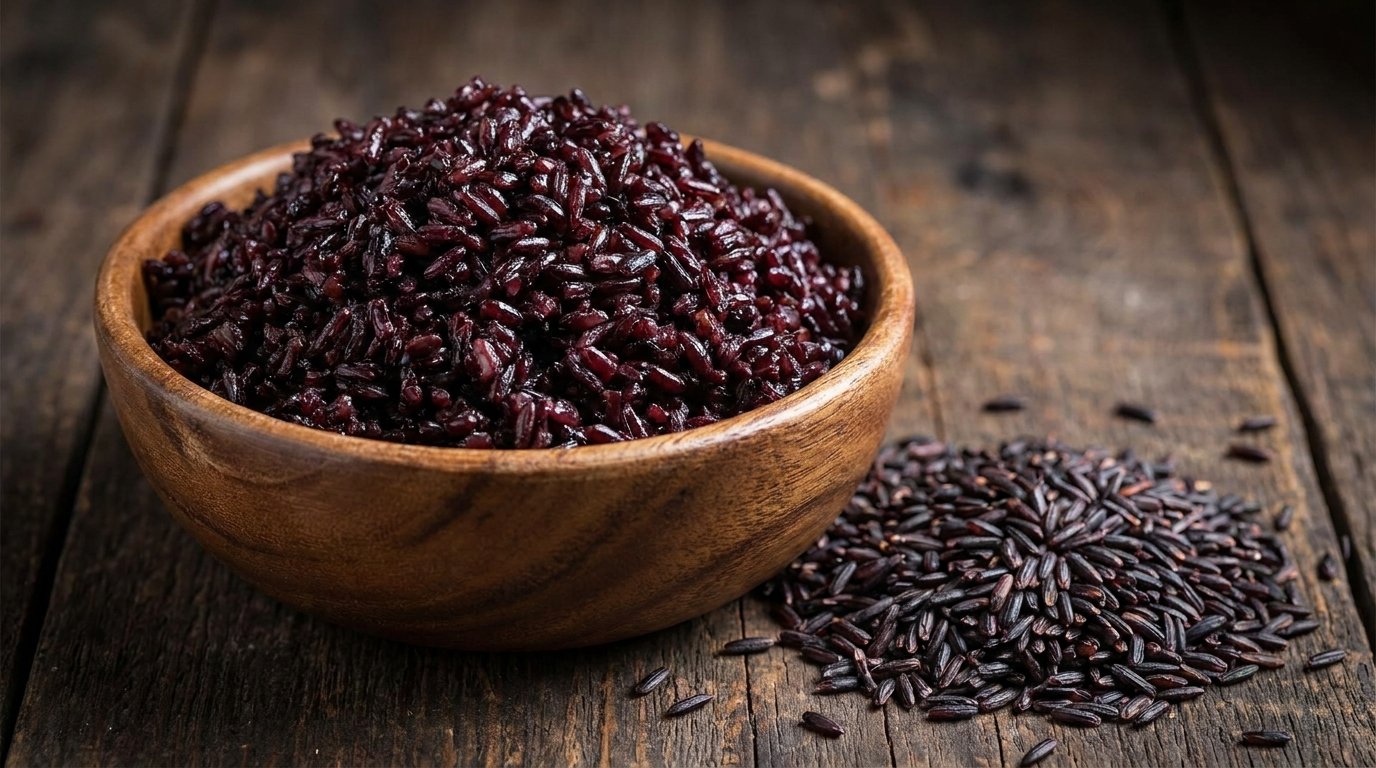
None of this means the other varieties aren't worth trying. Kavuni rice in particular is a genuinely different eating experience, closer to a firm, nutty whole grain than a sticky pudding rice. But if the question is specifically which black rice is best in India on balance — aroma, texture, nutrition and how confidently you can verify where it came from — Chak-Hao is the one that wins on all four.
Chak-Hao's Score Breakdown
Here's how the top-ranked pick performs against each of the five criteria we used above.
Black Rice vs Brown Rice vs White Rice: Nutrition Compared
Part of why black rice from Manipur ranks so highly isn't just flavour — it's what stays in the grain once you stop polishing it. Here's how Chak-Hao stacks up against ordinary brown and white rice, using typical, approximate values per 100g of raw grain (individual harvests vary, so treat these as directional rather than exact).
Protein (g per 100g, raw)
Dietary fibre (g per 100g, raw)
Anthocyanin antioxidants (mg per 100g)
Typical cook time (minutes, simmered)
Anthocyanin content in particular varies widely by cultivar, harvest and lab method — published studies on Manipur's pigmented rice have measured anywhere from roughly 60 to over 90 mg per 100g, against largely trace amounts in non-pigmented white and brown rice.
Health Benefits of Choosing Black Rice
None of this makes black rice medicine, but a reasonable body of nutrition research points to real advantages over refined white rice:
- Antioxidant activity. The anthocyanins concentrated in black rice's bran show strong antioxidant behaviour in lab studies, helping counter the free radicals linked to cellular ageing.
- Steadier blood sugar. The intact bran and fibre slow digestion compared with polished white rice, which tends to produce a gentler rise in blood sugar after a meal.
- Heart-friendlier profile. Diets built around whole grains like black rice are generally associated with better cholesterol markers than diets heavy in refined grains.
- More filling. The extra fibre and protein digest more slowly than in white rice, which can make meals feel satisfying for longer.
- Naturally gluten-free. Like all rice, black rice contains no gluten, making it safe for people avoiding it.
How to Spot Genuine Best-Quality Black Rice
Because "black rice" isn't a protected term the way "Chak-Hao" is, quality and authenticity vary a lot between sellers. A few checks help separate the real thing from black-dyed white rice or a low-grade blend.
Check for origin labelling
Look for a clear state of origin, and a GI reference where one exists. This is the strongest single signal that the rice traces back to where it claims to.
Do the soak test
Soak a spoonful in water for a few minutes. Genuine black rice releases colour gradually and the grain stays intact; dyed rice bleeds fast and can look patchy once rinsed.
Trust your nose
Authentic aromatic black rice carries a natural scent even before cooking. A complete absence of aroma is often a sign of a blended or lower-grade grain.
Check the finish, not just the colour
Genuine grain looks deep and matte rather than glossy — over-polishing strips away the very bran layer that makes black rice worth choosing.
Cooking Black Rice the Right Way
Cooking method matters almost as much as the variety itself — even the best black rice in India turns gummy or undercooked if it's rushed. The short version:
- 1Rinse and, ideally, soak. A rinse until the water runs mostly clear, followed by a few hours' soak, softens the bran and shortens cooking time noticeably.
- 2Simmer low and slow. Roughly 1 cup of rice to 2–2¼ cups of water, covered, on a low simmer for 40–45 minutes for glutinous varieties like Chak-Hao.
- 3Rest before fluffing. Ten minutes off the heat, lid still on, lets the last of the moisture even out before you serve it.
For a full step-by-step walkthrough, storage tips and Chak-Hao Kheer instructions, see our complete guide to Manipur black rice.
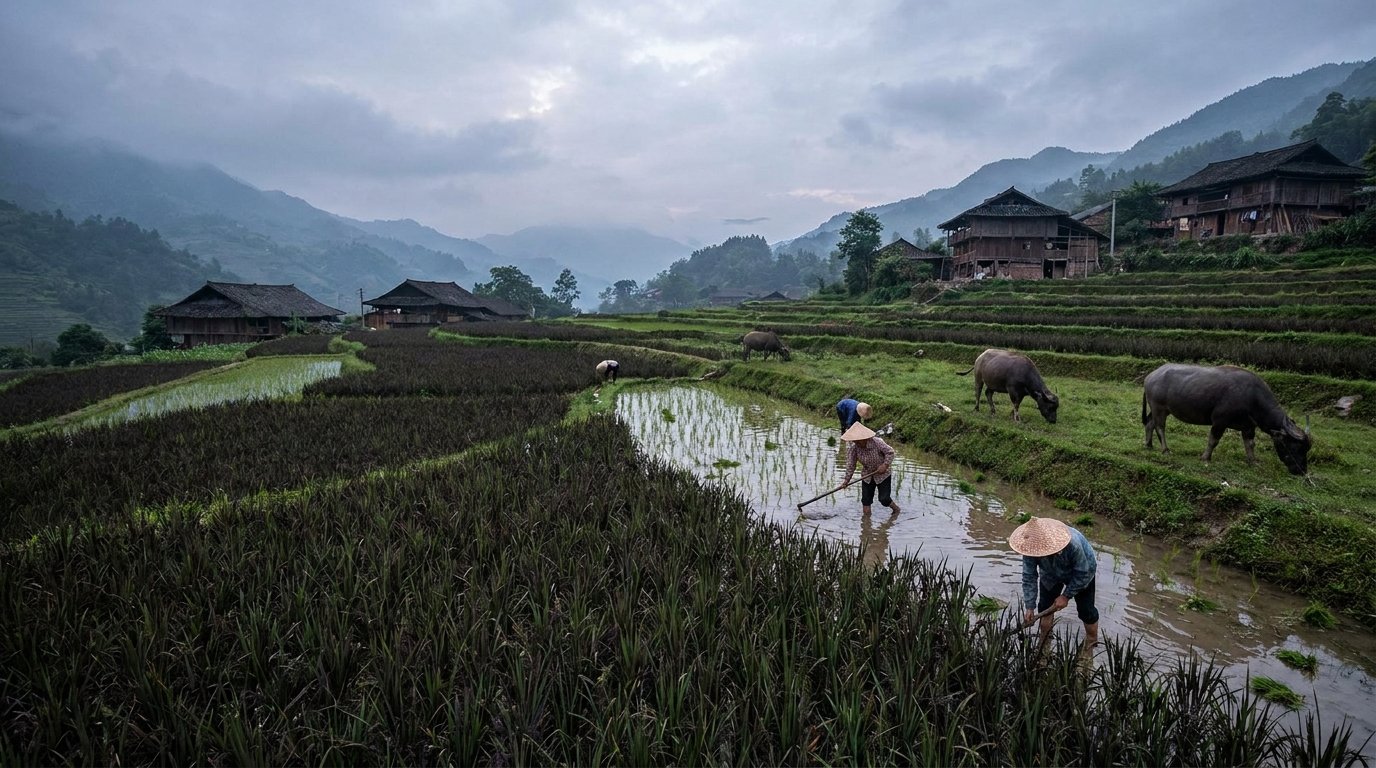
Convinced Chak-Hao is the best black rice from Manipur for your menu or shelf? Get packaging options and documentation from our trade desk.
Frequently Asked Questions
Sources & Further Reading
The Bottom Line
If you're comparing the best black rice in India, the shortlist is smaller than the internet makes it look — a handful of genuine regional varieties, most of them grown in small quantities by smallholder farmers who've kept the seed lines alive for generations. Among them, Manipur's Chak-Hao stands apart for a combination that's hard to match: an aroma and stickiness rooted in one specific valley, and a GI tag that actually backs up the claim. Explore the full history, nutrition and cooking guide for Chak-Hao, or head to our product page to see it for yourself.