
Anyone can list "Manipur black rice" on a wholesale catalogue. Actually sourcing it — at real volume, with grain quality that doesn't drift from bag to bag, and paperwork that clears customs or satisfies a retailer's compliance desk — is a different matter entirely. This guide is written from the supplier's side of that problem: what a genuine black rice bulk supplier in Manipur should be able to show you, how our own supply runs from paddy to pallet, and what to expect on specifications, packaging, certification and lead time before you place an order.
What Is a Black Rice Bulk Supplier in Manipur?
A black rice bulk supplier in Manipur is, at minimum, a business that procures, processes and packs Chak-Hao Amubi — Manipur's Geographical Indication–tagged black rice — inside the state itself, then moves it onward in commercial quantities rather than retail-sized bags. That distinction matters more than it sounds. Chak-Hao's aroma, stickiness and deep colour are tied to the specific paddy conditions of the Imphal valley, so rice grown from similar seed stock but cultivated or milled outside Manipur doesn't carry the same GI protection — or, arguably, the same grain.
In practice, the supply side of this trade splits into two groups: businesses rooted in Manipur's growing districts, working with their own contracted farmers and in-state milling, and traders further down the chain who buy from whichever source is cheapest that season and repack it under a Manipur-sounding label. For a wholesale buyer, that difference tends to surface later — in consistency between shipments, in whether documentation actually holds up under scrutiny, and in whether a repeat order still matches the sample that got approved.
What to Look for in a Black Rice Bulk Supplier
Before committing to a bulk contract, it's worth checking a supplier against a short list of things that are genuinely hard to fake:
Verified origin
Grown, hulled and packed within Manipur's Imphal valley districts — not sourced from outside the state and relabelled.
Batch traceability
Every bulk lot can be traced back to the farmer group, district and season it was procured from.
Consistent grading
Moisture, broken grain and foreign matter held within a stated range, order after order, not just on the first sample.
Documentation on request
Export paperwork, lab reports and certification references shared before shipment, not scrambled together after.
Flexible order sizes
Able to fulfil anything from a trial pallet to a full export container without the quality profile changing.
Packaging that travels
Moisture-appropriate bulk bags and export-grade cartons, not consumer pouches repurposed for freight.
Our Supply Chain: From Imphal Valley Paddy to Bulk Pack
Here's roughly what happens between a paddy field and a container of Chak-Hao Amubi leaving our facility:
Farmer network
Contracted smallholder paddy farmers across Imphal East, Imphal West, Bishnupur and Thoubal grow Chak-Hao Amubi through the monsoon season, the way the crop has traditionally been raised in the valley.
Procurement & sorting
Harvested paddy is procured village by village and sorted to separate genuine Chak-Hao Amubi from the purple, red and white Chak-Hao types and any mixed grain.
Hulling & light milling
Paddy is hulled and only lightly milled, which keeps the pigmented bran layer that carries the rice's colour, aroma and nutrition intact.
Quality testing
Each procurement batch is checked for moisture, broken grain, foreign matter and aroma before it's cleared for bulk packing.
Bulk packing & storage
Cleared rice goes into moisture-appropriate bulk bags and is held in a controlled store, away from light and humidity, until dispatch.
Dispatch
Orders move out with whatever paperwork the destination requires — a domestic depot address or a port-bound export container.
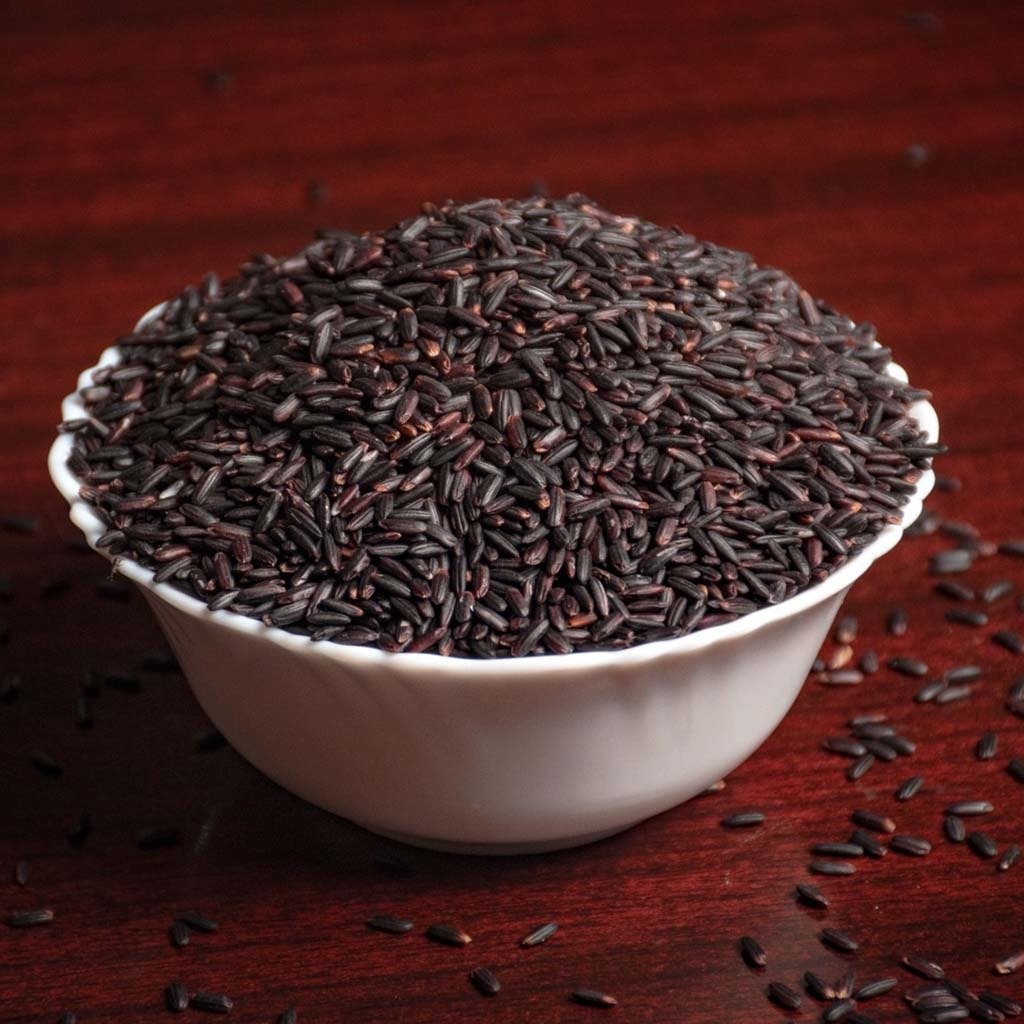
Because Chak-Hao cultivation has stayed smallholder and traditional rather than large-scale, a single farm can rarely fill a container-sized order on its own. Fulfilling bulk orders reliably depends on having an actual aggregation network across these districts — not just one grower with a good story.
Grain & Quality Specifications for Bulk Orders
Bulk buyers rarely ask about flavour first — they ask about consistency. These are the parameters we test every procurement batch against before it's cleared for bulk packing:
Moisture Content
Kept at or below this level so bulk stock stores without spoiling
Broken Grains
Capped at this share across a full bulk lot
Foreign Matter
Screened out at procurement, batch by batch
Variety Purity
Minimum share of true Chak-Hao Amubi grain per lot
These figures reflect what we work to as a general bulk specification; they can be tightened for a specific contract, and we're happy to send a sample batch so you can confirm grain quality yourself before agreeing on volume. Milling stays deliberately light across every order — Chak-Hao's bran layer is where most of its colour and nutrition sits, and over-polishing it away is one of the easiest ways to end up with a technically-correct but disappointing bag of rice.
Bulk Packaging & Private Label Options
Packaging is agreed per order rather than fixed to one format, which matters once you're moving beyond a single pallet:
Industrial Bags
Food-grade PP or jute bulk bags in standard bulk weights, palletised and shrink-wrapped for domestic freight or containerised export.
Shelf-Ready Pouches
Stand-up or vacuum-sealed consumer pouches, packed for retailers, food-service buyers or your own downstream repacking.
Private / White Label
Your brand name, artwork and barcode on the pack, drawn from the same traceable Chak-Hao Amubi supply and quality specification.
Pallet & Container Loading
Bulk bags stacked and loaded to standard pallet or FCL/LCL container configurations, matched to your destination's handling norms.
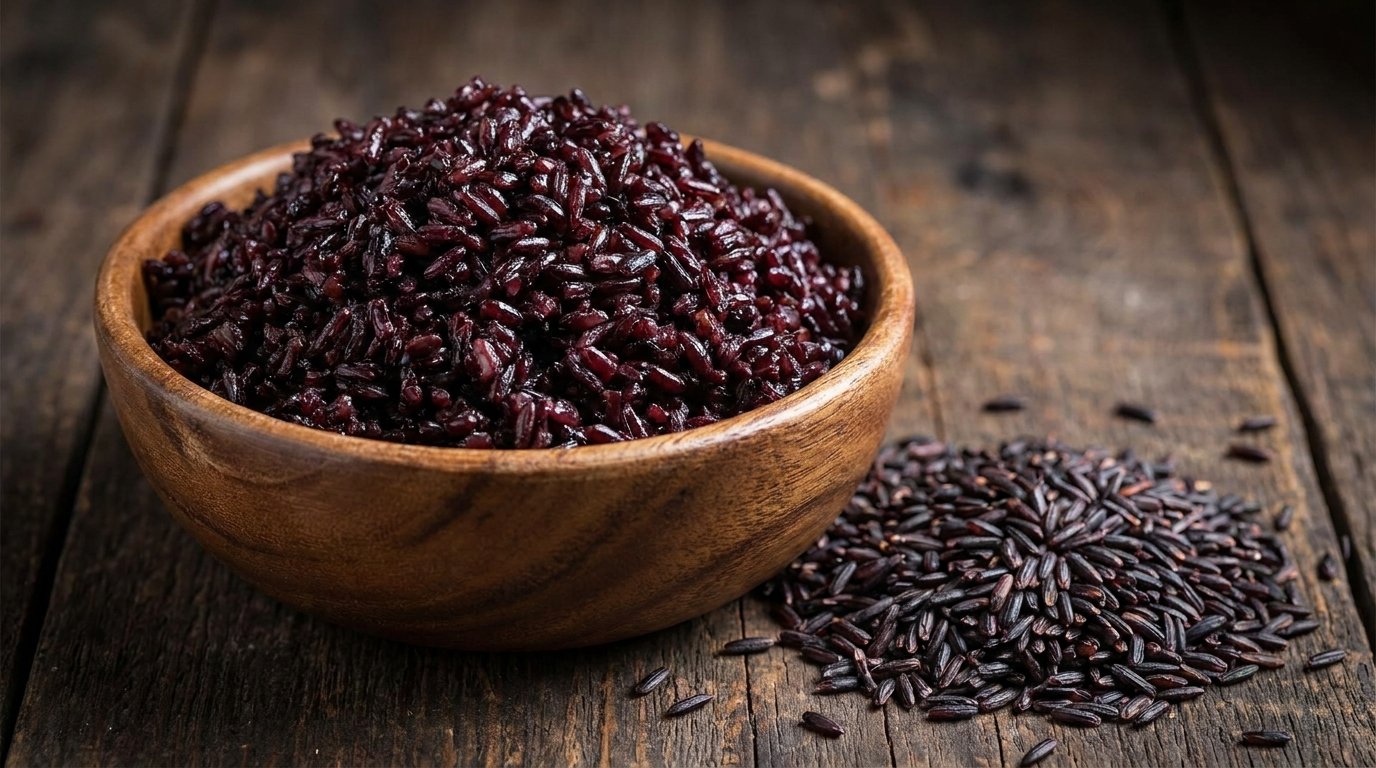
Most of our bulk buyers fall into one of a few groups: food-service operators cooking with it directly, packaged-food brands blending or repacking it under their own label, and distributors moving it on to retail. The packaging format usually follows from which of those you are, so it's worth deciding that before locking in bag sizes.
Certifications & Export Documentation We Handle
Exactly which documents apply depends on whether an order is staying within India or heading to a port, but this is the set we can draw from:
GI Reference & Origin Proof
Documentation tying each batch back to Manipur-grown Chak-Hao Amubi, consistent with its Geographical Indication status.
Organic Certification
Produced under India's National Programme for Organic Production (NPOP) framework, with references available for certified lots.
FSSAI License
Valid food business licensing covering domestic trade, processing and packing.
Phytosanitary Certificate
Issued by India's plant quarantine authority for export shipments, confirming the consignment meets the destination's plant-health norms.
Export Registration
The IEC code and APEDA RCMC/RCAC registrations required to legally export non-basmati rice from India, held and kept current on our side.
Lab Test Report
Batch-level testing covering moisture, broken grain, foreign matter and any additional parameter your own compliance team asks for.
If you already know what your import authority or retail buyer requires, tell us upfront — it's far easier to align paperwork with a shipment before it's packed than to chase it once a container is already booked.
Domestic Wholesale vs. Export vs. Private Label
Most bulk enquiries fall into one of three arrangements, though the underlying supply — and grain specification — is the same across all three:
Domestic Wholesale
For distributors, retailers, HoReCa buyers and food processors sourcing within India. Moves in bulk bags with FSSAI-compliant documentation and regional freight support, at flexible order sizes.
Export Consignments
Full or part-container loads for overseas importers and distributors, backed by phytosanitary certification, IEC/APEDA export registration and destination-specific paperwork — the arrangement most of our repeat bulk buyers eventually move to.
Private Label Program
Custom-branded packaging for retail or food-service brands who want Chak-Hao Amubi under their own name, still traceable back to the same Manipur supply and specification.
How Bulk Ordering Works
- 1Share your requirement. Tell us the quantity, packaging format and destination — domestic or export — through the enquiry form or WhatsApp.
- 2Sample & specification sign-off. We can send a sample batch so you can confirm grain quality, aroma and colour before committing to volume.
- 3Confirm order & documentation. Once quantity and packaging are agreed, we prepare the paperwork your order needs — lab reports, certificates, and export documents where relevant.
- 4Production, QC & packing. Your order is pulled from current stock or scheduled against the next procurement cycle, then quality-checked and packed to spec.
- 5Dispatch & tracking. Domestic orders move by road freight; export consignments are containerised and shipped with full documentation, and we stay reachable until it lands.
Why Buy Bulk Manipur Black Rice From Us
A few numbers that tend to matter most to a wholesale or export buyer sizing up a first order:
None of this is a substitute for checking the grain and the paperwork yourself, which is exactly why we default to sending a sample before any large commitment. What it does mean is that we're set up for repeat, not one-off, bulk supply — the same specification, the same traceability, whether it's your first pallet or your fifteenth container.
Need a sample batch before you commit to a bulk order? Ask our trade desk and we'll get one moving.
Frequently Asked Questions
The Bottom Line
A black rice bulk supplier in Manipur is only as good as what sits behind the label — the farmer network, the milling, the testing, and the paperwork that has to hold up once a shipment actually moves. We built our supply chain to answer those questions before a buyer has to ask them twice: traceable Chak-Hao Amubi, sourced and packed inside the Imphal valley, at the order sizes and documentation a wholesale or export buyer actually works with. If you're new to the grain itself, our Manipur black rice guide covers the history, nutrition and cooking side in more depth. If you're ready to talk volumes, our trade desk is the faster route in.
Further reading
- APEDA — Requirements for export of rice from India
- Wikipedia — Chak-Hao black rice
- MyGov Blogs — GI-tagged agricultural products of Manipur
- Legacy IAS Academy — GI tag awarded to Manipur black rice (Chak-Hao)