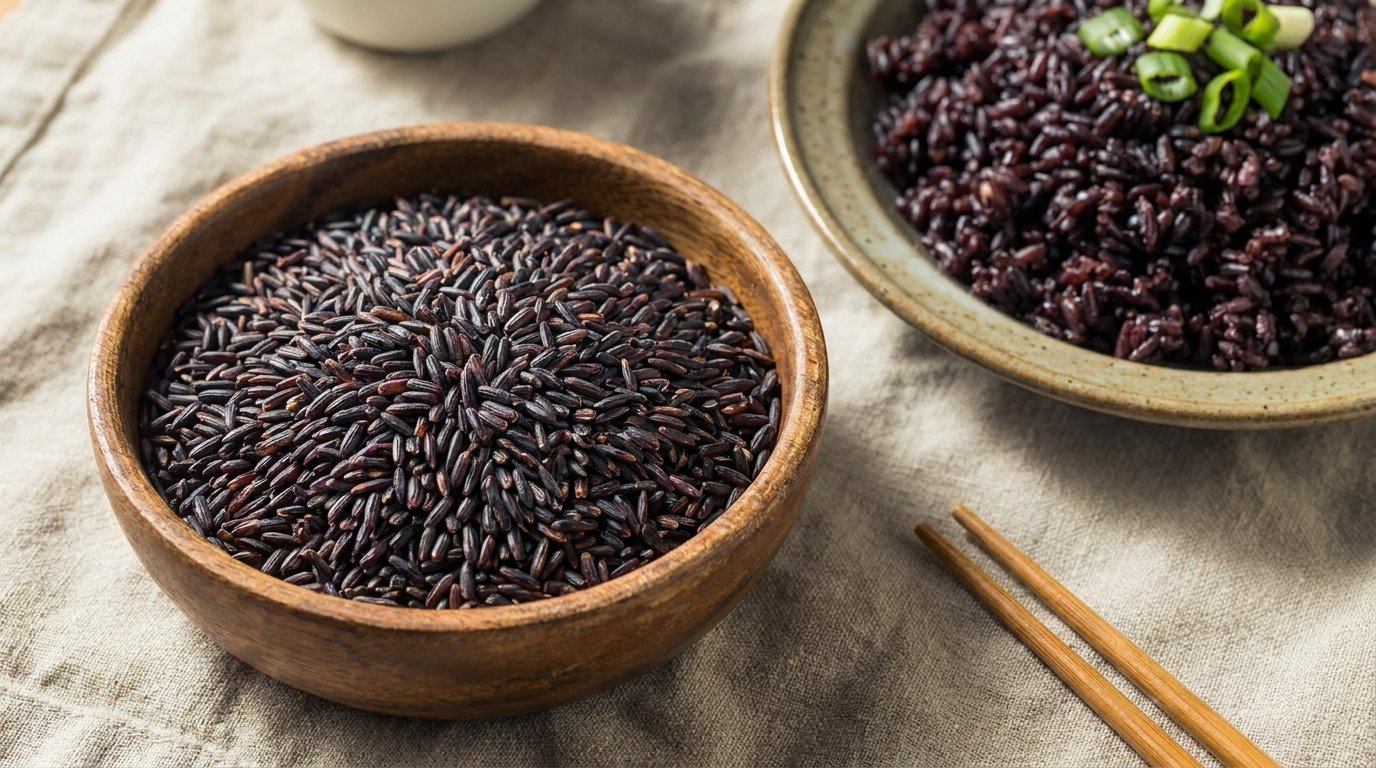
Search "black rice for sale in bulk" and you'll get everything from single-pallet wholesalers to full-container export listings, with very little to tell them apart at a glance. That gap matters once real money and shipping timelines are involved. This guide breaks down what buyers actually mean by "bulk," the specifications and certifications worth checking before you commit, and the practical steps for placing an order that arrives the way you expect it to.
What Buyers Mean by "Bulk"
When people search for black rice for sale in bulk, they're rarely all looking for the same thing. A regional distributor placing a first order might mean a few hundred kilograms. A food manufacturer building a new product line might mean several metric tons on a recurring schedule. An international importer might mean a full shipping container. "Bulk" is really a spectrum, and knowing where you sit on it changes almost everything else about how you should buy — from packaging format to lead time to the paperwork you'll need to have ready.
It also matters which black rice you're actually buying in bulk. Not every dark-hulled rice on the wholesale market is the same grain. Manipur's Chak-Hao — grown in the Imphal valley and protected by a Geographical Indication tag since 2020 — is a distinct, aromatic, glutinous black rice, different in texture and origin from the Chinese "forbidden rice" or Thai black rice varieties that often get grouped under the same generic listing. If traceability matters to your business, that's worth confirming before you sign off on any bulk order, wherever you end up sourcing from.
Bulk Black Rice at a Glance
A handful of numbers are worth knowing before you request a quote from any supplier:
Order Tiers: Sample, Wholesale & Container Loads
Bulk black rice orders tend to fall into three practical tiers. These aren't fixed industry rules — every supplier sets its own minimums — but this is the pattern most buyers run into.
Grain Specifications to Check Before You Buy
A specification sheet tells you more about quality than a product photo ever will. Ask any bulk supplier for figures like these before you order, and treat hesitation to share them as a warning sign.
| Parameter | Typical range for bulk-grade black rice |
|---|---|
| Moisture content | 12% – 14% |
| Broken grains | Under 5% |
| Foreign matter / admixture | Under 0.5% |
| Purity | 98% or higher |
| Average grain length | 6.0 – 6.5 mm |
| Aroma | Naturally scented, no additives |
| Milling | Lightly milled, bran layer retained |
| Shelf life | 8 – 12 months in dry storage |
Certifications That Matter for Bulk Buyers
Certifications won't tell you how the rice tastes, but they tell you whether you can trust what's on the label — which matters more once you're buying at volume.
GI Tag (Geographical Indication)
Confirms the rice genuinely comes from Manipur's Imphal valley, rather than black rice from another origin sold under the Chak-Hao name.
Organic Certification
Verifies farming practices meet a recognised organic standard, rather than relying on an unverified "organic" claim on the bag.
FSSAI License
Confirms the supplier is registered with India's food safety authority — a baseline requirement for any legitimate food exporter.
Phytosanitary Certificate
Required for most international shipments; confirms the grain was inspected and meets the importing country's plant-health rules.
Packaging Formats for Bulk Black Rice
Bulk black rice generally ships in one of a few standard formats, and the right one depends on who's downstream of you:
- 25 kg / 50 kg woven PP bags. The standard for wholesale and institutional buyers who repack or use the rice directly.
- Poly-lined jute bags. Preferred for export, since the liner protects against moisture during ocean transit.
- Retail-ready pouches. Common in 500 g, 1 kg and 5 kg sizes for buyers reselling directly to consumers.
- Private-label packaging. Custom bags or pouches printed with your own branding, for retailers and D2C food brands.
- Palletized loads. Stacked and shrink-wrapped for easier warehouse handling and safer freight.
Shipping, Lead Times & Logistics
Once you move beyond a domestic wholesale order, the shipping terms you agree to matter almost as much as the price you'd otherwise be negotiating. Three Incoterms come up most often with bulk black rice:
EXW (Ex Works)
You arrange pickup from the mill or warehouse and handle all freight, insurance and customs yourself. Gives you the most control over carriers and routing.
FOB (Free On Board)
The supplier delivers the shipment to the port and loads it onto the vessel; you take over from there. The most common arrangement for container export orders.
CIF (Cost, Insurance, Freight)
The supplier arranges freight and insurance to your destination port, which simplifies logistics if you don't already have a freight-forwarder relationship.
Who Buys Black Rice in Bulk
Bulk black rice moves through a wider range of businesses than its "health food" reputation might suggest.
Food Manufacturers
Cereal, snack and bakery brands using black rice as a formulated ingredient rather than a finished product.
HORECA
Hotels, restaurants and catering operations that need a consistent, reliable supply for menu items.
Retail & Private Label
Brands sourcing the raw grain in bulk to pack and sell under their own name.
Health Food Retailers
Specialty and organic grocers stocking black rice as part of a whole-grain range.
Institutional Buyers
Hospitals, schools and large catering services placing recurring bulk orders.
Exporters & Distributors
Regional distributors and international importers moving container-scale quantities.
How to Vet a Bulk Black Rice Supplier
Before wiring any deposit, a short verification process protects you far more than a good-looking website does.
Storing Bulk Black Rice Correctly
Once a bulk order arrives, how it's stored matters almost as much as how it was grown. A few practices protect both quality and shelf life:
- Keep it cool, dry and out of direct light. Light gradually fades the anthocyanin pigment in the bran layer over time.
- Store bags on pallets, off the floor. This avoids moisture wicking up from concrete, especially in humid climates.
- Rotate stock first-in, first-out. Especially important for orders held longer than a few months.
- Maintain a consistent pest-control routine. Whole-grain rice with the bran intact attracts pests more than heavily polished white rice.
- Reseal opened bags tightly or transfer to airtight containers to protect aroma and shelf life.
How to Place a Bulk Black Rice Order
- 1Share your requirement. Tell the supplier your target quantity, destination and intended use so they can recommend the right tier and specification.
- 2Request specs, COA & a sample. Ask for a specification sheet, certificate of analysis, and a small sample before committing to bulk.
- 3Confirm certifications & documentation. Verify GI-tag or origin claims, food-safety licensing, and any export paperwork you'll need.
- 4Finalize packaging & Incoterms. Agree on bag size or format, and decide whether the order ships EXW, FOB or CIF.
- 5Track production, QC & shipment. Stay updated through milling, quality checks and dispatch until the order reaches you.
Need a specification sheet or sample before you commit to a bulk order? Our trade desk can send both.
Frequently Asked Questions
The Bottom Line
Buying black rice for sale in bulk isn't just a matter of finding the biggest bag on offer — it's a matter of matching the order tier, specification and documentation to what your business actually needs downstream. Whether you're testing a 100 kg sample or booking a 20-foot container, the same checklist applies: verify the origin, confirm the specs, check the certifications, and get shipping terms in writing before you commit. To go deeper on the grain itself, explore the nutrition, history and cultivation of Manipur black rice, or reach out to our trade desk for a tailored quote.