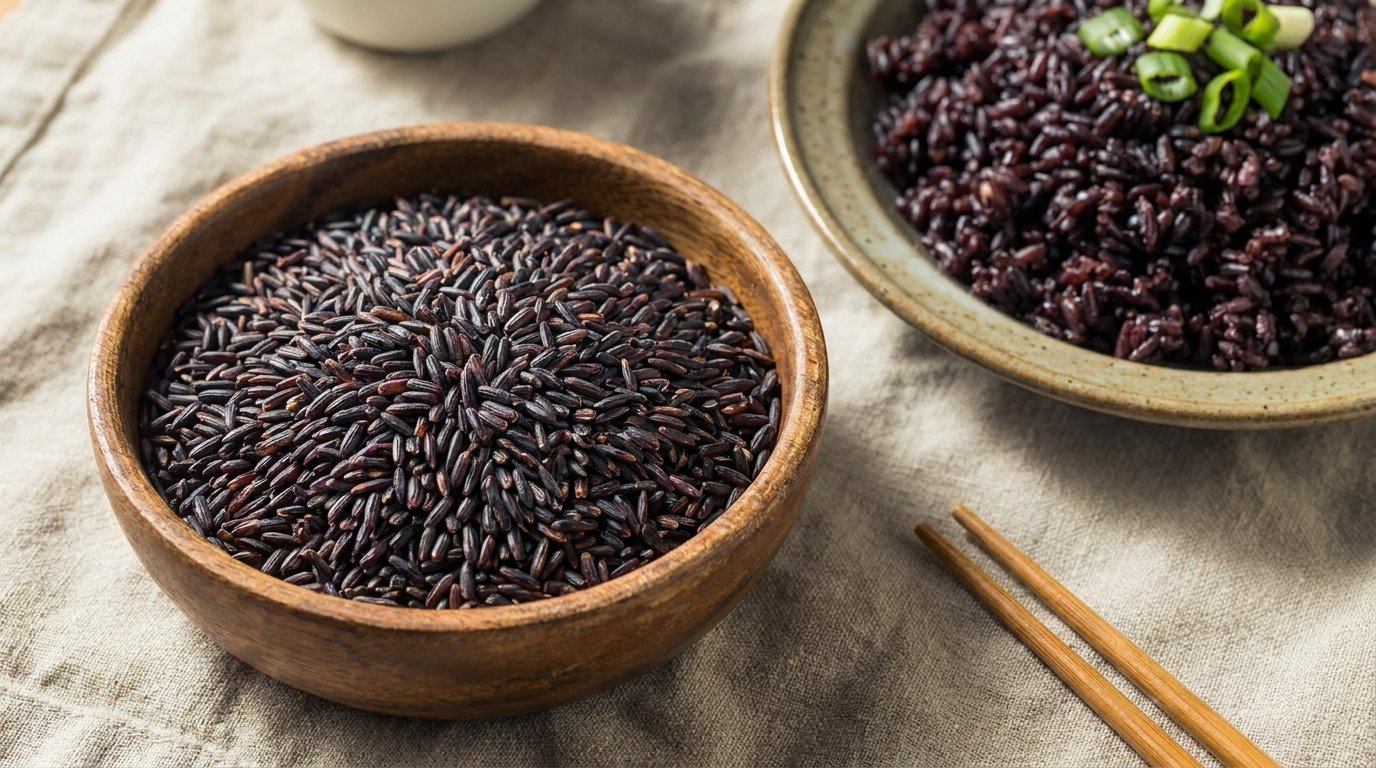
Search "black rice importers in USA" and most of what comes back is a wholesale directory or a listing built to be found, not one built to actually answer the question. We're on the supply side of it — an exporter of GI-tagged Manipur black rice, known locally as Chak-Hao, based in India — so this guide is written the way a buyer actually needs it: what you'd be sourcing, why India specifically, and the FDA, USDA and customs steps that decide whether a shipment clears or sits at port.
Why US Buyers Import Black Rice From India
Black rice has moved well past the health-food aisle in the US. It shows up on grain-bowl menus, in gluten-free product lines, on the shelves of South Asian and specialty grocers, and increasingly as a private-label SKU for retailers wanting something their competitors don't stock. Demand comes from a few different directions at once, and it's worth knowing which one you're serving before you pick a supplier.
South Asian & Specialty Grocery
The steadiest demand comes from Indian and South Asian grocery importers and distributors stocking a rice their customers already recognise by name.
Health & Whole-Grain Retail
Anthocyanin-rich, high-fibre grains fit the whole-grain, antioxidant-forward positioning that natural and specialty grocers actively look for.
Foodservice & Restaurant Menus
Restaurants building South and Southeast Asian menus, or simply after a striking side dish, use Chak-Hao for its colour and sticky, aromatic bite.
Private Label & White Label
Retailers and food brands increasingly want their own name on a black rice with a verifiable origin story, not a generic, unbranded import.
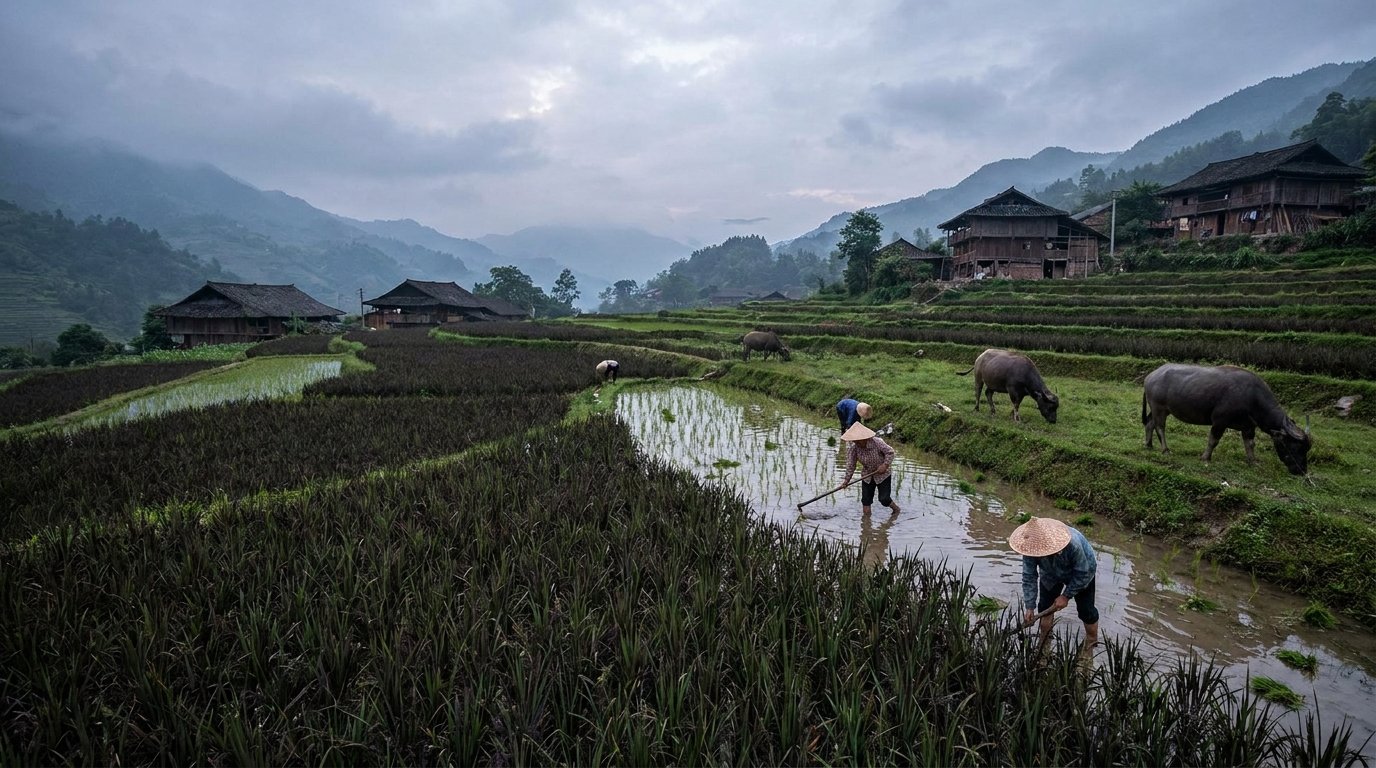
That last point about origin story matters more than it looks. A GI tag and clean documentation aren't just compliance paperwork — for a lot of US buyers, they're the actual product story that ends up on the shelf label or the menu description.
Chak-Hao vs. "Black Rice" as a Generic Term
Not all black rice is the same product, and it's worth being clear on that before sourcing anything. Chak-Hao is a specific, aromatic, glutinous black rice grown almost entirely in Manipur's Imphal valley in Northeast India, and since 2020 it's been the only black rice in India to carry a Geographical Indication (GI) tag — meaning the name can only legally be used for rice actually grown there. What arrives in a US warehouse simply labelled "black rice" could be Chak-Hao, Chinese "forbidden rice," or a Thai or Indonesian glutinous variety, and the three don't cook, taste or market the same way.
For the fuller picture on what makes Chak-Hao different — its history, nutrition profile and how it's grown — see our complete guide to Manipur black rice. This piece stays focused on what changes once you're the one bringing it into the US.
India vs. China vs. Thailand: How Origins Compare for Importers
Buyers sourcing black rice for the first time usually end up comparing the same three origins. None of this is a lab-tested ranking — it's a rough map of where each origin tends to land on the qualities importers actually ask about.
Where Chak-Hao pulls ahead most clearly is GI protection and the traceability that comes with it. For a US buyer, that's the difference between telling a customer exactly which valley their rice came from, and not being able to say for certain.
FDA, USDA & Customs Requirements for Importing Black Rice
None of this is unique to black rice — it's the same framework that applies to importing any packaged food into the US — but it's worth walking through, because missing paperwork is the single most common reason food shipments get held at port.
FDA Food Facility Registration
The exporting facility needs to be registered with the FDA and have a designated US Agent before any shipment can move.
Foreign Supplier Verification Program
This one is on you, not your supplier. As the US importer, you need an FSVP in place, including a Qualified Individual, before you import.
Prior Notice Filing
Every shipment needs Prior Notice filed with the FDA before it arrives at a US port, covering the product, manufacturer and arrival details.
Importer Security Filing (ISF)
For ocean freight, CBP requires an ISF ("10+2") filed at least 24 hours before the container is loaded at the foreign port.
Compliant Retail Labeling
If the rice goes straight to retail, it needs a compliant Nutrition Facts panel, ingredient statement and any required allergen declarations.
HS/HSN Classification & Entry
Your customs broker files the entry under the correct HTS subheading, which determines duty treatment and any trade-program eligibility.
One thing that surprises a lot of first-time importers: milled and husked rice intended for direct human consumption is generally on USDA APHIS's list of plant products that don't require a separate import permit or phytosanitary certificate — that requirement is mainly aimed at seed and planting material, not food-grade grain. Shipments are still subject to routine inspection by CBP agriculture specialists at the port of entry, so clean, accurately labelled packaging still matters.
Requirements shift, and the detail depends on your specific shipment and how you're distributing it once it lands. It's worth running your plan past a licensed customs broker or your FSVP Qualified Individual before the first order — this section is meant to orient you, not replace that conversation.
HS/HSN Code & Duty Classification for Black Rice
Rice sits under HS heading 1006, and where black rice lands inside it depends on how it's been processed. Because Chak-Hao and most black rice varieties retain their bran layer the way brown rice does, they're generally declared under subheading 1006.20 (husked or brown rice) rather than 1006.30, which covers rice that's been semi- or wholly milled and polished. The distinction isn't cosmetic — it affects the applicable duty rate and how the shipment gets treated at entry.
We provide the HSN classification we ship under on every commercial invoice, but the final call on your US HTS subheading, and any duty or trade-program implications, should come from your customs broker or the USITC's HTS database, not from a supplier's product page — ours included.
The Import Process, Step by Step
Here's roughly how it plays out end to end, from first enquiry to a pallet in your warehouse.
- 1
Enquiry & sampling
You share your target grade, packaging and volume; we send samples so you can confirm quality before anything is booked.
- 2
Documentation & compliance setup
Purchase order issued, GI and organic certificate references shared, and your FSVP paperwork lines up against our facility details.
- 3
Production, cleaning & QC
Milling, sorting and lab testing for moisture and foreign matter, then packing to the agreed specification.
- 4
Export clearance in India
Customs clearance at the Indian port of exit, with certificate of origin and any applicable export documentation prepared.
- 5
Ocean or air freight & ISF filing
FCL or LCL booking confirmed, with the Importer Security Filing submitted ahead of loading for ocean shipments.
- 6
US customs clearance
Prior Notice and the HTS entry are filed, and CBP and FDA review the shipment at the port of arrival.
- 7
Delivery to your warehouse
Final-mile delivery to your distribution centre or third-party logistics provider, ready for putaway.
Most of the elapsed time sits in ocean transit and customs clearance rather than in production — which is why getting documentation right upfront saves more time than anything you can do at the port.
Vetting an Indian Black Rice Exporter
Because "Manipur black rice" and "Chak-Hao" get used loosely outside India, the sourcing question isn't really "where do I buy black rice" — it's "how do I confirm this exporter is who they say they are." A few things worth asking for before committing to a first order:
- A GI certificate reference, not just the name printed on the bag.
- Organic certification, if that's part of your positioning — don't assume it from "traditionally grown" alone.
- Batch-level traceability back to the growing district, not just "Manipur" as a blanket claim.
- A certificate of analysis (COA) per shipment, covering moisture content and foreign matter.
- A documented export track record — ask how many containers they've actually shipped, and where.
- Willingness to send samples before you commit to a full container.
Ports, Shipping & Lead Times
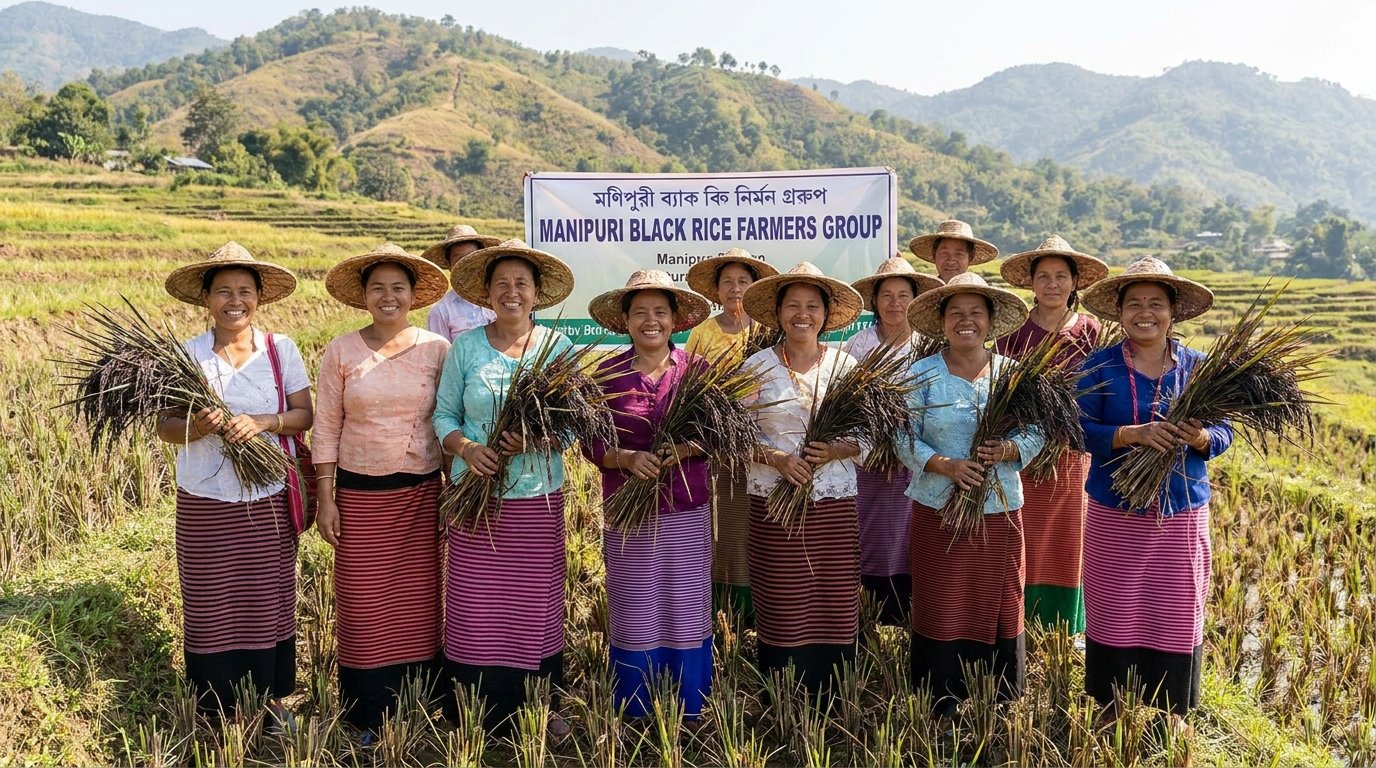
Manipur is landlocked, so Chak-Hao typically moves by road to a major Indian gateway port — Kolkata is the most common routing for Northeast-origin cargo — before connecting to ocean freight bound for the US. On the receiving end, shipments usually land at one of the major gateways handling South Asian agricultural imports: New York/New Jersey, Savannah, Houston or Los Angeles/Long Beach, depending on where your own distribution sits.
Total lead time from a confirmed order to a US warehouse is realistically measured in weeks, not days. It depends on production scheduling, whether you're booking a full or partial container, and port conditions on both ends. We'll work out a shipment-specific estimate once we know your order size and destination port, rather than quoting a generic number that doesn't hold up.
Packaging & Private-Label Options
How the rice is packed usually comes down to where it's going next:
- Bulk export sacks with food-grade liners, for buyers repacking domestically.
- Retail-ready pouches sized for direct shelf placement.
- Private-label and white-label packaging carrying your own branding.
- Custom pack sizes for foodservice and distribution accounts.
None of this needs to be locked in before your first conversation — most buyers settle on packaging once grade and quantity are confirmed.
Sourcing black rice for the US market? Get documentation, HS classification and sample availability from our trade desk.
Frequently Asked Questions
The Bottom Line
Importing black rice into the US isn't complicated once you've done it once — most of the friction sits in the first shipment, where documentation, classification and supplier verification all have to line up at the same time. Chak-Hao adds one more variable worth getting right: whether what you're buying is the real, GI-protected article, or black rice grown somewhere else and sold under a name it doesn't legally carry. If you're ready to move past research into a real conversation, our trade desk can walk you through samples, documentation and lead times for your specific order. Explore more about the rice itself in our Manipur black rice guide, or browse the product page to see current offerings.