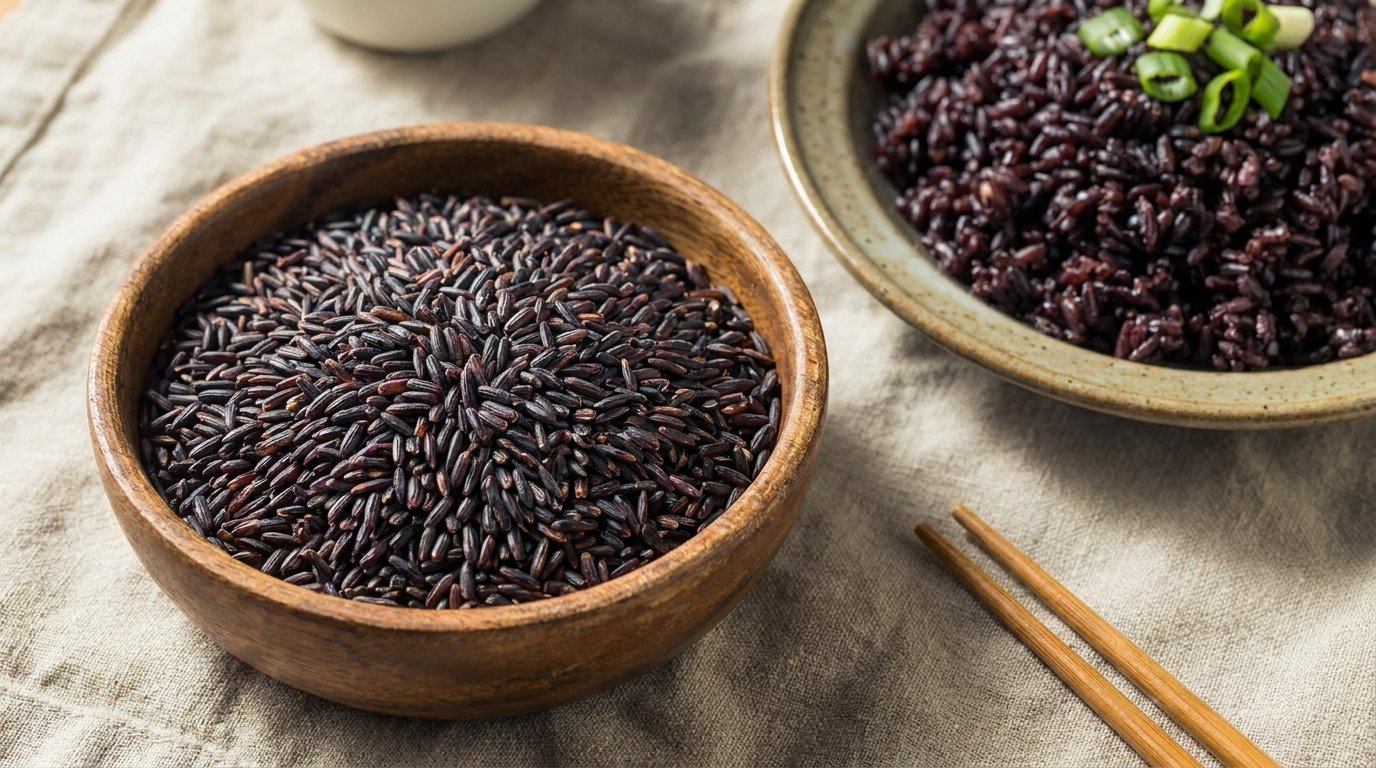
"Manipur black rice" is a protected, place-bound name — but the checkout page you're buying it from usually isn't. Because Chak-Hao passes through farmers, aggregators, resellers and marketplaces before it reaches most buyers, the name on a listing tells you far less than who's actually behind it. This guide covers every genuine way to buy it — in Manipur, online, and in bulk — plus exactly what to check so you know the rice in your basket is the real thing.
Why It Actually Matters Where You Buy From
Chak-Hao has carried a Geographical Indication tag since April 2020, which legally ties the name to rice grown in a defined part of Manipur. What the GI tag doesn't do is police every bag sold under that name at the point of sale — there's no single checkpoint between a paddy in the Imphal valley and a listing on your screen. That gap is exactly where "Manipur black rice" gets separated from actual Manipur-grown rice: through blending, relabelling, or simply a seller who bought stock from a stock aggregator and never asked where it originally came from.
Because Chak-Hao is still largely grown by smallholder families across a handful of districts rather than on large commercial farms, the supply chain from paddy to pack tends to run through several intermediaries before it reaches a shelf outside the Northeast. Each one of those hand-offs is a place where sourcing information can get lost — which is exactly why the question isn't just "is this black rice," it's "where did this specific bag actually come from, and can the seller prove it."
Quick Answer: Where You Can Actually Buy Chak-Hao
If you only read one part of this guide, read this one. There are four realistic routes to buying genuine Manipur black rice, and which one makes sense for you depends almost entirely on how much you need and what you're using it for.
Local Markets in Manipur
Ima Keithel and neighbourhood grocers across the Imphal valley sell it fresh, direct from local growers — the most hands-on route, if you happen to be there.
Best for travellersOnline Marketplaces & D2C Stores
Dozens of small sellers list Chak-Hao on general marketplaces and their own storefronts. Convenient, but origin and grading vary from one seller to the next.
Best for small quantitiesState Emporiums & GI Platforms
Manipur's state-run emporiums and the region's agricultural marketing bodies list Chak-Hao with a clear institutional origin trail, though catalogue stock and shipping speed vary.
Best for verified originDirect From a Registered Supplier
Sourcing straight from a GI-registered Manipur exporter gets you graded, traceable rice with full documentation — built for retail, wholesale and export orders.
Best for bulk & exportBuying Chak-Hao Locally, In Manipur
If you're actually in Imphal, the most direct way to buy Chak-Hao is exactly how Manipuris have always bought it: at the market, from the person who grew or sourced it. Ima Keithel, the all-women-run market at the heart of Imphal, is one of the oldest and largest markets of its kind anywhere, and black rice sits among the vegetables, fermented fish and handloom textiles sold there — often by women with decades in the same stall. Smaller neighbourhood grocers and weekly haats spread across Imphal East, Imphal West, Bishnupur and Thoubal carry it too, and during and just after harvest season it's possible to buy it directly at the farm gate in some villages.
This is, without question, the most authentic way to buy Chak-Hao — but it's also the least scalable. Purchases tend to be small, ungraded, and sold without any documentation, which is exactly right for a household buying rice for the kitchen and exactly wrong for anyone trying to build a consistent supply for a shop, a menu, or an export order.
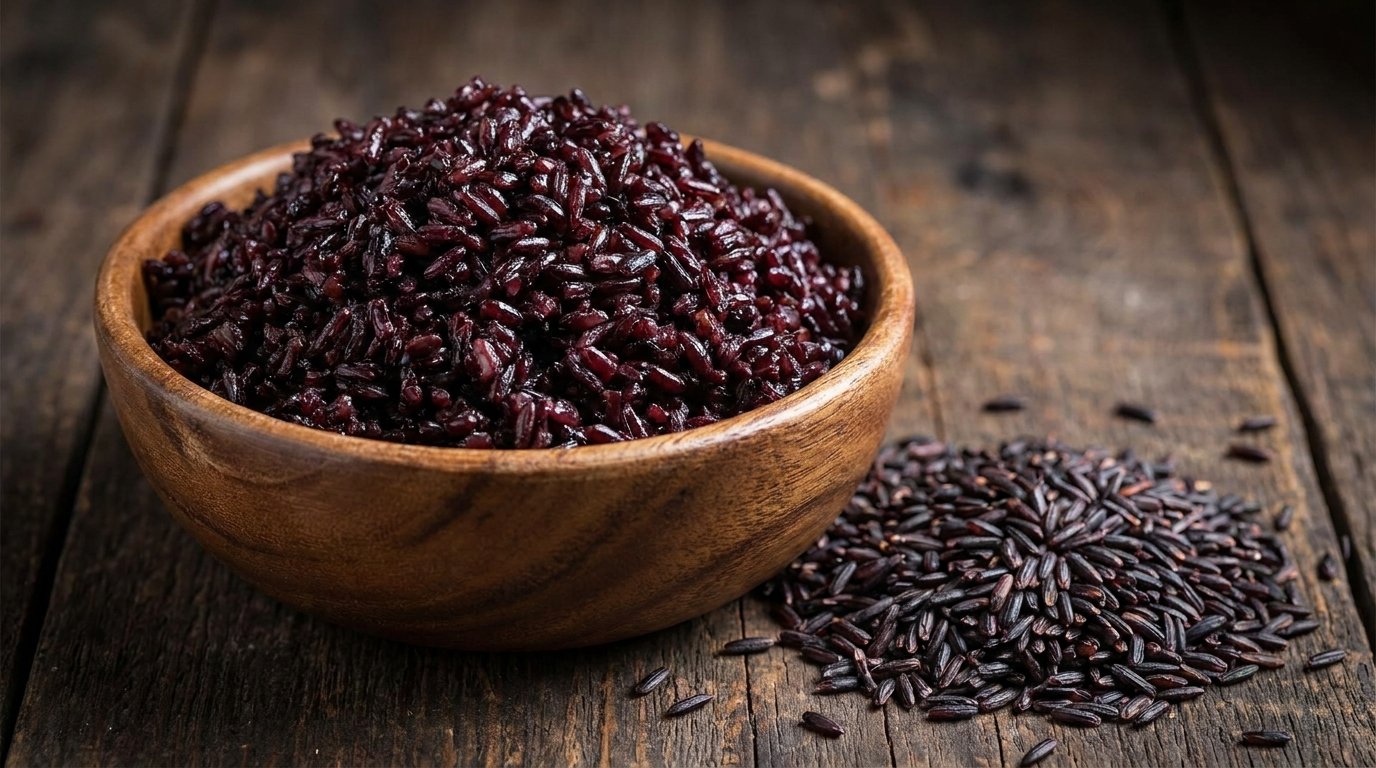
Buying Chak-Hao Rice Online in India
Outside Manipur, "buy Manipur black rice online" mostly turns up three different kinds of listings, and they are not the same thing wearing different branding.
- General e-commerce marketplaces. A long tail of small sellers list "Manipur black rice" or "Chakhao" here. Some source directly from farmers in the Imphal valley; others buy pre-packed stock wholesale and simply relabel it. The listing photo won't tell you which is which — the seller's answers will.
- Specialty Northeast-India and heritage-food stores. These tend to be a stronger bet, since sourcing directly from the region is usually core to how they present themselves, though stock can be limited and inconsistent between restocks.
- Government and GI-linked platforms. Manipur's state emporium and the region's agricultural marketing corporation list Chak-Hao with a clear institutional origin trail — genuinely useful when you need to prove provenance, though catalogue availability and delivery speed can lag well behind private sellers.
With that much fragmentation, the platform itself tells you far less than the seller does. Before you check out anywhere online, look for a reference to the GI tag, a named district of origin, and a seller who's actually willing to answer a question about sourcing.
Buying in Bulk: Wholesale, Retail & Export Sourcing
If you're buying for a shop, a restaurant menu, a private-label range or an export order, retail-sized online listings usually aren't built for what you actually need. Grading is inconsistent bag to bag, most small sellers don't hold meaningful safety stock, and very few of them can issue the phytosanitary certificates, GI documentation or commercial invoices that a real wholesale or export shipment requires.
For that kind of order, buyers typically go straight to a registered exporter or supplier based in, or sourcing directly from, Manipur — someone who can lock in a grade, a packaging spec and a documented paper trail before the first shipment ever leaves the state. A sourcing conversation worth having should cover, at minimum: the grade and moisture specification you need, packaging format (bulk sacks, retail-ready pouches, or private label), minimum order quantity, realistic lead time, and what documentation comes with the shipment if it's crossing a border.
Sourcing in bulk for retail, HoReCa or export? Our trade desk can walk you through grading, packaging and documentation in one conversation.
How to Verify You're Actually Buying Genuine Chak-Hao
Because the GI tag protects the name rather than inspecting every bag sold under it, verifying authenticity mostly falls to the buyer. Here's what to actually check, wherever you're buying from.
Ask for the district of origin
Genuine Chak-Hao comes from a handful of Imphal-valley districts — Imphal East, Imphal West, Bishnupur or Thoubal. A seller who can't say where their rice was grown usually doesn't know either.
Look for the GI reference
Chak-Hao has carried a Geographical Indication tag since 2020. Sellers genuinely sourcing Manipur-grown rice will usually reference this somewhere on the listing or the pack.
Check the grain, not just the photo
Genuine Chak-Hao is deep, even purple-black with a matte bran layer and a large, glutinous grain — not a uniform glossy black or an unusually small grain, which often points to a different rice entirely.
Trust your nose
Real Chak-Hao carries a distinct natural fragrance even before cooking. A completely neutral smell is worth asking a follow-up question about.
Ask about traceability
A supplier who can tell you roughly which season, district and farms your rice came from is sourcing seriously. Vague answers are a sign to keep asking, not to check out.
Check certifications match the claim
If a listing claims organic or export-grade, ask which body certified it and since when. A real certification is never a secret, and a supplier should be able to share it on request.
Red Flags When Sourcing Manipur Black Rice
A few warning signs are worth taking seriously before you place an order, especially online where you can't examine the rice in person first.
No mention of Manipur, anywhere
If a listing never names Manipur or a specific district, and just says "black rice" or "forbidden rice," treat that silence as information.
Unusually short cook times
Real Chak-Hao's thick bran layer typically needs 35–45 minutes to fully soften. A listing promising a much faster cook is describing a different rice.
Evasive answers about sourcing
A seller who can't or won't answer a direct question about harvest season, district of origin, or certification usually doesn't have a good answer to give.
A deal that feels too easy
Chak-Hao is still a hand-cultivated, GI-protected specialty crop with modest yields. If an offer looks out of step with everything else on the market, ask more questions before you commit.
Which Buying Route Actually Fits You?
The "best" way to buy Chak-Hao depends entirely on why you're buying it. Here's how that usually breaks down.
Cooking for Your Own Kitchen
You want a trustworthy bag or two, not a supply chain.
- Buy from a seller who names a specific district of origin
- Start with a small pack to check aroma and cook time first
- Store it airtight and away from light once it arrives
Café, Restaurant & Hospitality Buyer
You need a grade you can put on a menu and reorder without surprises.
- Ask for a sample bag before committing to a case
- Confirm grading stays consistent across reorders
- Get lead time in writing ahead of peak-season menus
Retailer & Distributor
You're putting Chak-Hao on your own shelves, or under your own label.
- Ask about private-label and packaging options
- Confirm minimum order quantity and standard lead times
- Request GI documentation you can pass on to your customers
Exporter & International Buyer
You need commercial documentation as much as you need good rice.
- Confirm phytosanitary and GI export paperwork upfront
- Ask about container-load minimums and transit packaging
- Clarify exactly which countries the supplier currently ships to
Comparing the Main Ways to Buy Chak-Hao
None of what follows is a formal audit — it's simply how these three routes typically play out for buyers, based on what each one is actually set up to do.
Origin documentation, at a glance
Local Market / Farm-Gate
Trustworthy face to face, but you'll rarely walk away with any paperwork to back it up.
Online Marketplace Resellers
Depends entirely on which seller you land on — some source responsibly, others simply don't say.
GI-Registered Direct Supplier
Origin, harvest window and GI reference available on request, on every order.
Illustrative comparison based on how each route generally works, not a formal survey of every seller.
Built for bulk, consistency & reordering
If you'd like to understand the rice itself before you buy — its GI tag, nutrition profile and history — our companion guide covers that in full: Manipur Black Rice: Chak-Hao Benefits, Nutrition & GI Tag Guide.
Frequently Asked Questions
The Bottom Line
There's no single storefront for Manipur black rice — buying it well means matching the route to what you actually need. A trip to Ima Keithel is the real thing if you're in Imphal; a careful online order works for a household pantry; and for anyone buying to resell, serve or export, sourcing directly from a GI-registered Manipur supplier is the only route built to give you graded, documented, repeatable supply. Wherever you buy from, the checklist stays the same: ask where it's from, ask for proof, and trust a seller who answers both questions without hesitating.